Initializing...
Banjul, The Gambia – 9 April 2026
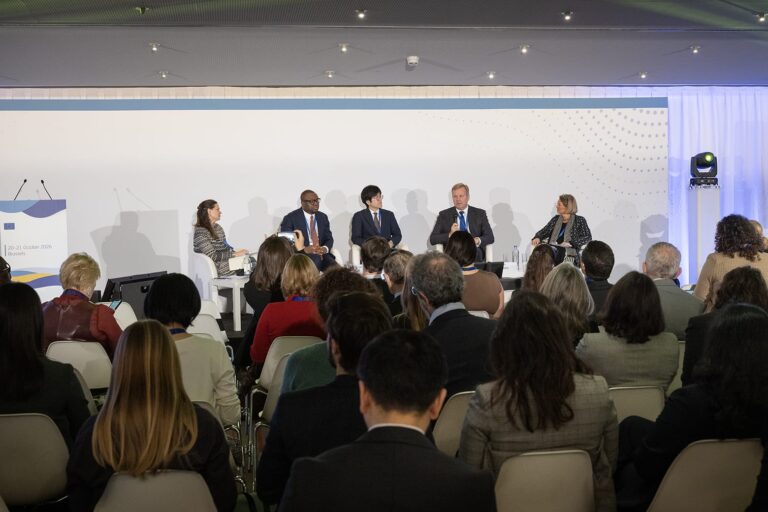
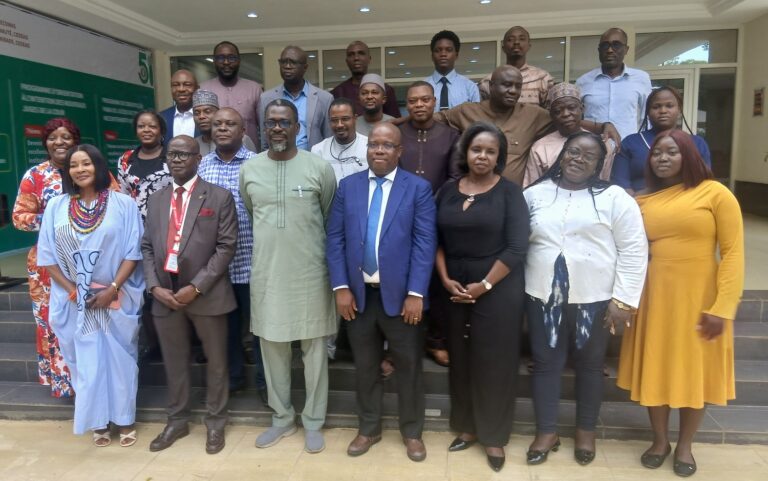
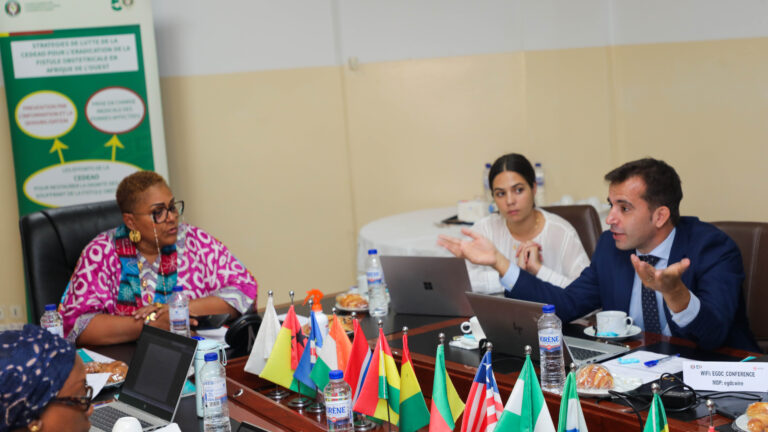
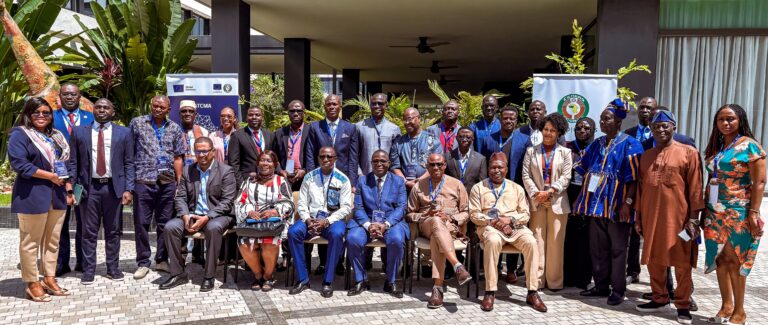
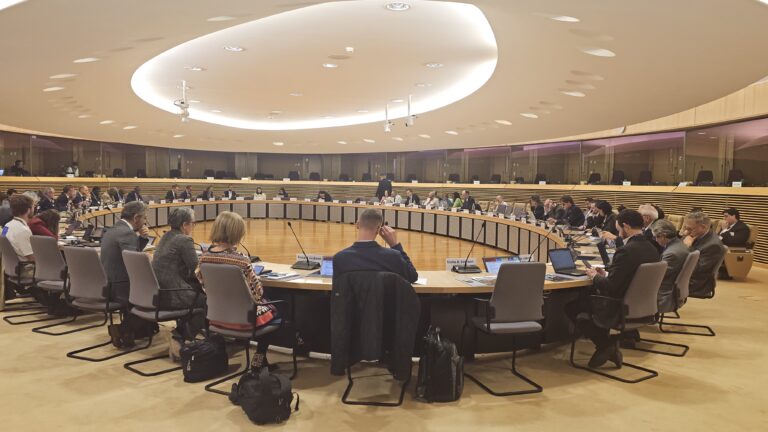
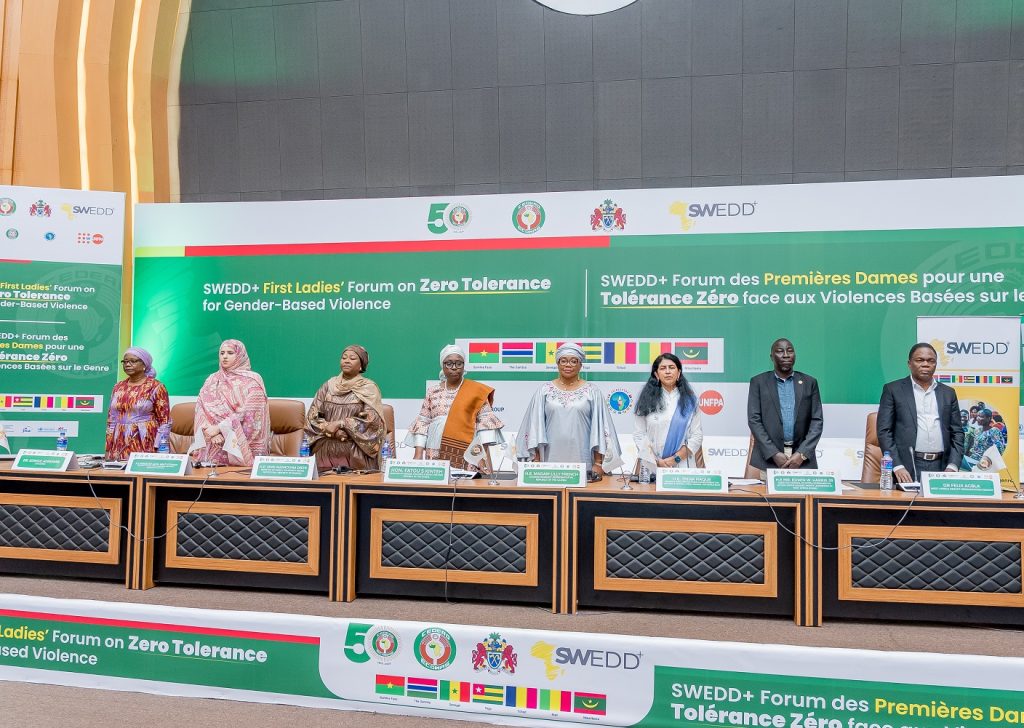
Ministers from West and Central Africa convened in Banjul on 9 April 2026 for a high-level ministerial meeting to advance regional efforts to prevent and respond to gender-based violence (GBV). The meeting represents a key milestone ahead of the Forum of First Ladies of SWEDD+ countries, scheduled for 10 April 2026 under the theme of “Zero Tolerance” for GBV.
The ministerial meeting was preceded by an Experts’ Meeting, which provided a comprehensive regional overview of GBV. Participants reviewed recent data, trends, and key vulnerability factors affecting women and girls, and assessed both progress achieved and persistent gaps in legal and institutional frameworks. Particular attention was given to challenges related to implementation, coordination, and multisectoral responses.
Experts held technical sessions focused on the validation of the Regional SWEDD+ GBV Roadmap (2026–2028) and the review of the Regional GBV Legal Scorecard. Working groups examined priority areas, including prevention, accountability, legal harmonization, and access to justice. Discussions also addressed the strengthening of monitoring mechanisms and the integration of adolescent-focused evidence to support more inclusive programming. The Experts’ Meeting concluded with a policy dialogue emphasizing the need to translate commitments into concrete actions. Participants highlighted the importance of strengthened partnerships and coordinated approaches at both national and regional levels.
Building on these outcomes, Ministers underscored the urgency of accelerating implementation efforts. Discussions were anchored in the ongoing Sub-Saharan Africa Women’s Empowerment and Demographic Dividend Plus (SWEDD+) initiative, supported by the World Bank, and focused on operationalizing regional commitments through practical mechanisms.
The Economic Community of West African States (ECOWAS) Participants plays a central role by providing strategic leadership and facilitating regional coordination. Through its Institutions namely the Commission, the West African Health Organisation (WAHO) and the Inter-Governmental Action Group against Money Laundering in West Africa (GIABA), ECOWAS continues to support policy development and institutional strengthening in the response to GBV.
The meeting considered key deliverables, including the endorsement of the Regional GBV Roadmap (2026–2028), designed to guide priority actions across Member States. Ministers also reviewed the Regional GBV Legal Scorecard as an accountability tool to monitor progress in translating legal frameworks into effective protection measures. In addition, the Regional Technical Working Group on GBV (RTWG-GBV) was officially inaugurated to support coordination, knowledge-sharing, and the monitoring of implementation. In this context, participants emphasized the importance of sustained political commitment, accountability, and regional alignment.
The opening ceremony of this ministerial meeting was attended by officials from the Gambian government, H.E. Savia Mint N’Tatah, minister of Social Work, Chilhood and family, H.E. Maimouna Dieye, Senegalese Minister of Family, Solidarity, Social Protection, Prof. Abena Ondoa née Marie-Therese Obama, Minister of Women’s Promotion and the Family of the Republic of Cameroon, H.E. Mrs Marthe Augustine KIRIMAT, minister of Gender promotion, Protection of the Family and Child of the Republic of Central Africa and officials from the Republic of Chad and Islamic Republic of Mauritania.
In addition, the ceremony welcomed Trina Haque, Regional Director for Human Development for the Western and Central Africa Region at the World Bank, Dr Edwige Adekambi Domingo, Director of the SWEDD/UNFPA Regional Technical Secretariat and along with other distinguished representatives and guests, were also in attendance.
Welcoming participants, Hon. Fatou S. Kinteh, Minister of Gender, Children and Social Welfare of the Republic of The Gambia, said the forum comes at a time when challenges affecting women and girls in the region remain significant. The minister also highlighted the importance of experience-sharing among participating countries, including Burkina Faso, Chad, Mali, Mauritania, Senegal, Togo, and The Gambia, noting that lessons from national policies and programmes can inform broader regional strategies.
Dr. Félix AGBLA, Executive Assistant representing Dr. Melchior Athanase Joël C. AISSI, Director General of the West African Health Organisation (WAHO), stated in his address to the participants that “…Ending gender-based violence is therefore not an option: it is an essential prerequisite for achieving universal health coverage, gender equality, and sustainable development. It is in this context that WAHO supports and accompanies transformative regional initiatives such as the SWEDD+ project.”
Highlighting the strong political will underpinning the initiative, H.E. Mr. Edwin W. Harris Jr., Director General of GIABA, emphasized that, from his institution’s perspective as financial crime fighters, tackling corruption and money laundering can unlock vital resources to better support victims of gender-based violence. He encouraged Ministers to prioritize this issue at the cabinet level, ensuring adequate funding and stronger institutional capacity, adding: “Supporting victims is a fundamental responsibility, and we remain committed to working with Member States to strengthen advocacy, accountability, and resource mobilization to combat these crimes.”
Underscoring the need for a unified regional approach, Hon. Prof. Fatou Sow Sarr, ECOWAS Commissioner for Human Development and Social Affairs represented by H.E. Madam Lilly French, ECOWAS Resident Representative in The Gambia, who officially opened the ministerial meeting stated: “Honourable Ministers, the experts have done their part; the responsibility now rests with you. This gathering is not for ceremonial endorsement but for decisive action, as the gap between ECOWAS commitments and the lived realities of women and girls remains deeply troubling. Across the region, intimate partner violence exceeds 40% in some Member States, child marriage and female genital mutilation persist despite legal prohibitions, and conflict-related sexual violence continues to be used as a tool of terror. While we have declarations and the Supplementary Act on Equality of Rights, implementation has lagged behind ambition. What is urgently needed is a unified, costed, and time-bound operational plan that every Member State can adapt, own, and deliver—because the time for action is now”.
The meeting concluded with the adoption of a Ministerial Communiqué reaffirming the commitment of participating countries to strengthen implementation, enhance coordination, and accelerate progress toward the elimination of gender-based violence across the region.
Discover how ECOWAS is transforming communities, economies and the lives of West African citizens — one story at a time.