Initializing...
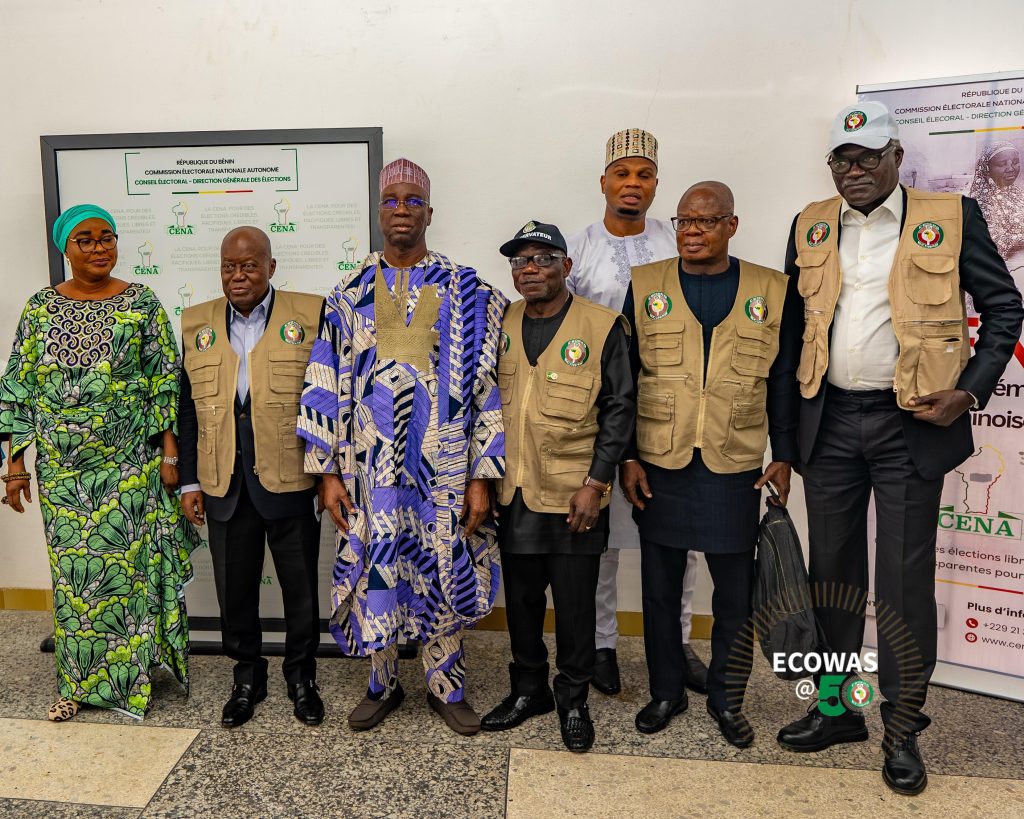
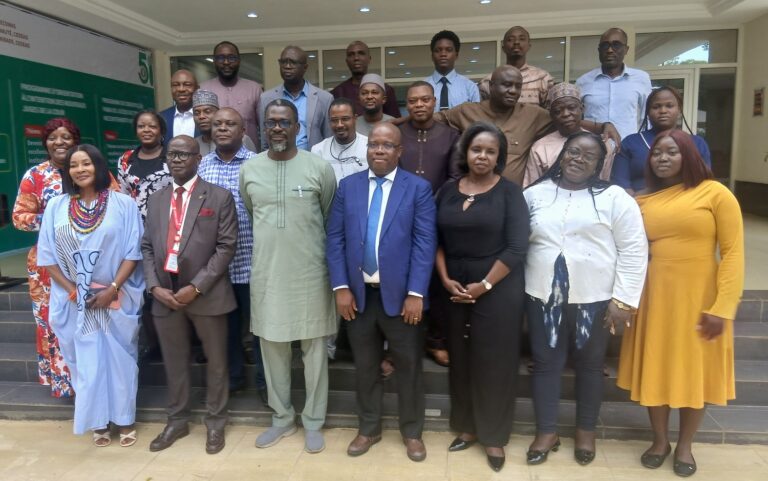
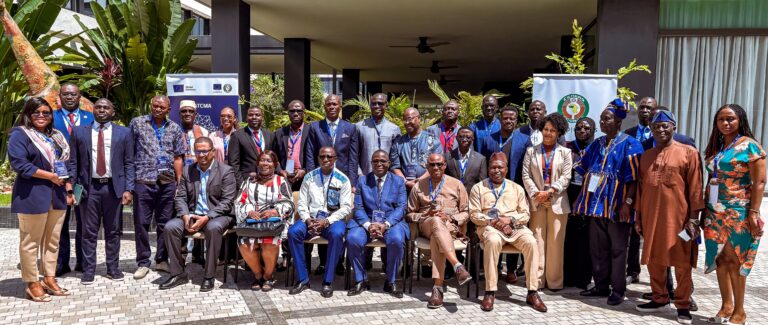
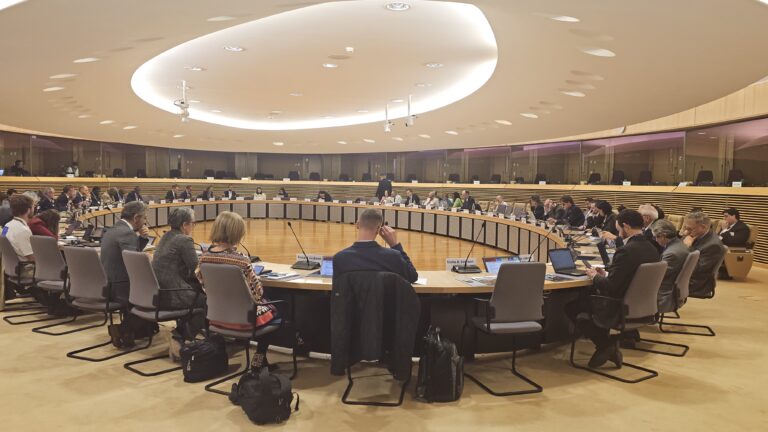
The 120 observers deployed to monitor and observe the conduct of voting operations during the presidential election on 12 April 2026 in the Republic of Benin on behalf of the Economic Community of West African States (ECOWAS) were briefed on Friday, 10 April 2026, in Cotonou, on the political situation and security challenges in Benin. During this session, they were also trained on the conduct to adopt in the field, as well as the means and methods of observation and data collection during their field mission.
This briefing session took place in the presence of H.E. Nana AKUFFO-ADDO, former President of Ghana and Head of the ECOWAS Election Observation Mission for the presidential election in Benin. He was accompanied by Commissioner Abdel Fatau MUSAH, responsible for Political Affairs, Peace and Security at ECOWAS, H.E. Amadou DIONGUE, ECOWAS Resident Representative in Benin, H.E. Dimban LENE, Representative of the Ambassadors of ECOWAS Member States accredited to Nigeria, and the Honourable Edwin Melvin SNOWE JR of the ECOWAS Parliament.
Speaking at the opening ceremony of this session, President Nana Akufo-Addo emphasized the importance of election observation in Africa. In his view, observing presidential elections may be seen as a simple gesture, but it is a valuable tool for improving the quality of elections. “Observers help to strengthen public confidence in the integrity of electoral processes. Observation can help to promote and protect the civil and political rights of voters during elections. It can help to correct errors or poor practices, even whilst the electoral process is underway. It can deter manipulation and fraud or highlight such problems should they occur,” added the Head of the ECOWAS Election Observation Mission.
On 9 April 2026, H.E. Nana AKUFFO-ADDO, Head of the ECOWAS Election Observation Mission, accompanied by Commissioner Abdel Fatau MUSAH, Ambassadors Amadou DIONGUE and Dimban LENE, and staff from the ECOWAS Commission, met and held discussions in Cotonou with key stakeholders involved in organising the presidential election of 12 April 2026 in the Republic of Benin. At the Autonomous National Electoral Commission (CENA), discussions with President Saka LAFIA enabled the ECOWAS EOM to gain a better understanding of the ongoing process, the status of the deployment of electoral materials, the management of polling stations and polling offices, and the measures taken to address security issues surrounding the operations.
At the Constitutional Court, President Nana AKUFO-ADDO and his entourage held talks with President Dorothé SOSSA, whose role is to verify the regularity and credibility of the electoral process and to announce the final results of the presidential election. At the end of the day, discussions with President Edouard LOKO and the advisers of the High Authority for Audiovisual and Communication (HAAC) enabled the ECOWAS EOM delegation to gain a better understanding of the efforts made by the institution to monitor and regulate media coverage of the election campaign and voting operations.
According to statistics from the Autonomous National Electoral Commission (CENA), 7,834,608 voters are registered nationally and 62,679 abroad, making a total of 7,897,287 registered voters; 17,350 polling stations have been designated nationwide and 112 for the diaspora (covering 10 countries), making a total of 17,462 polling stations, are planned for the presidential election on 12 April 2026.
As a reminder, the deployment of these observers was approved by H.E. Dr Omar Alieu TOURAY, President of the ECOWAS Commission, in accordance with the provisions of the 2001 Additional Protocol on Democracy and Good Governance. They are tasked with observing the presidential election and drafting a report, including a preliminary statement on the election results, which must accurately reflect what was observed on polling day, the process leading up to polling day, as well as the counting and announcement of election results from the various polling stations and centres.
Discover how ECOWAS is transforming communities, economies and the lives of West African citizens — one story at a time.