Initializing...
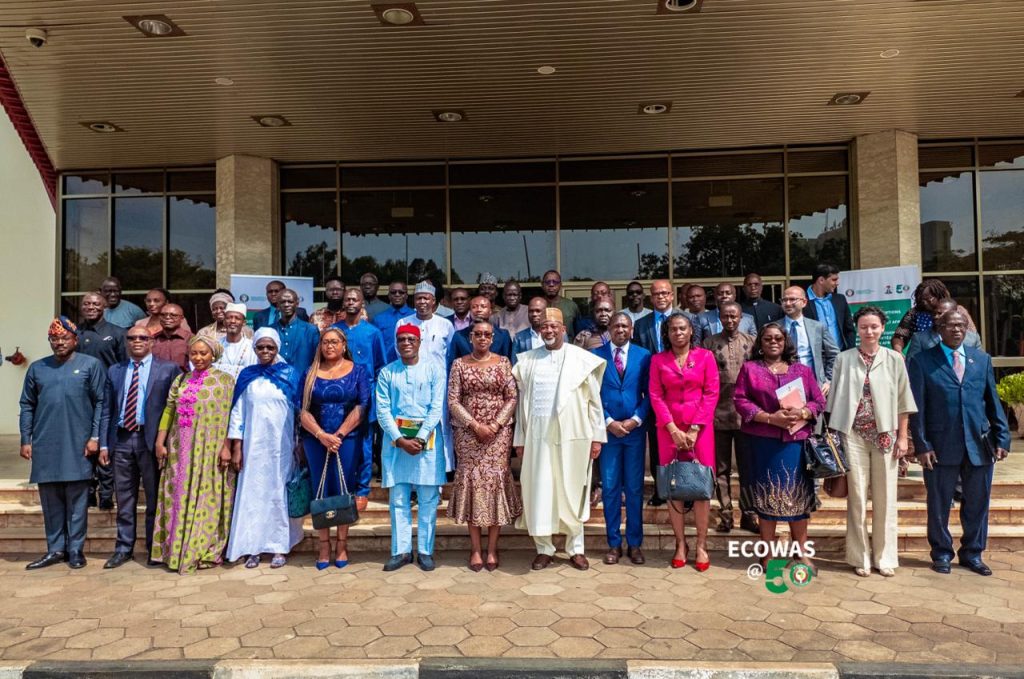
The ECOWAS Commission, through its Department of Economic Affairs and Agriculture, has launched five flagship regional initiatives themed: “Regional Interventions Towards Economic Integration in West Africa,” aimed at accelerating economic integration, boosting agricultural productivity, enhancing environmental sustainability, and expanding trade across West Africa.
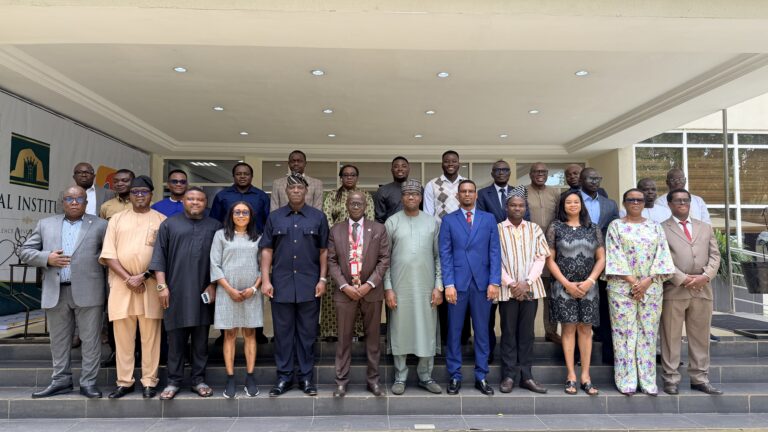
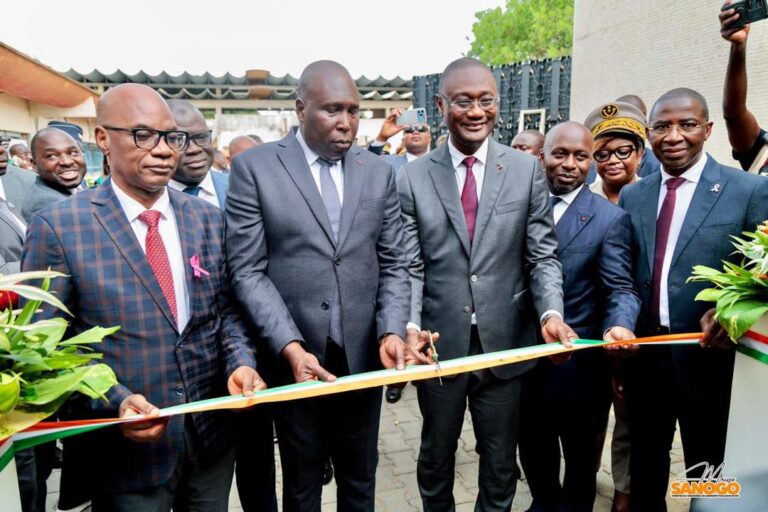
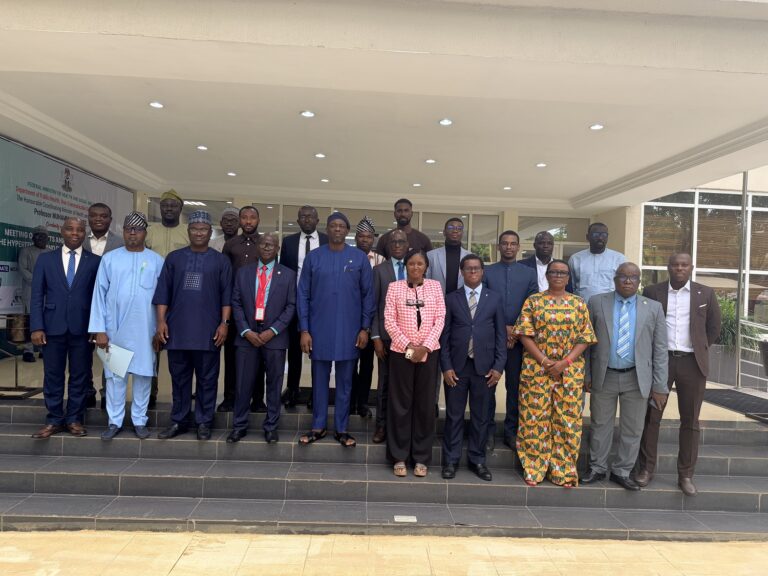
The joint ceremony, held at the ECOWAS Parliament in Abuja – Nigeria, 26 November 2025, brought together senior ECOWAS leadership, including Vice President Madame Damtien Tchintchibidja and Commissioner Dr. Kalilou Sylla, as well as top representatives of the Government of Nigeria, including the Honourable Minister of Agriculture and Food Security, Senator Abubakar Kyari, and delegates from the Ministries of Environment, Trade & Investment, and Foreign Affairs.
These new initiatives reflect ECOWAS’ renewed commitment to coherent, visible, and impactful interventions across Member States, especially amid current socio-political and security challenges. They collectively aim to strengthen regional integration, expand intra-regional trade, raise agricultural productivity, protect the environment, enhance food security, and promote inclusive economic growth.
Speaking during the opening session, ECOWAS Commission’s Vice President Madame Tchintchibidja emphasised that the initiatives align closely with ECOWAS Vision 2050 and the African Union’s Agenda 2063. She highlighted ongoing efforts to raise agricultural productivity, strengthen food security, improve renewable energy adoption, combat plastic pollution, and reduce trade barriers through instruments such as the ETLS and the AfCFTA.
Nigeria’s Minister of Agriculture and Food Security, Sen. Abubakar Kyari, stressed the interconnectedness of agriculture, trade, and environmental sustainability, calling for harmonised regional standards and deeper collaboration to drive inclusive growth, noting that robust agricultural systems are essential for expanding regional commerce.
Also speaking at the event, the Nigerian Minister for Environment Balarabe Lawal underscored the urgent need to tackle West Africa’s growing plastic pollution crisis, estimated at more than two million tonnes annually. He reaffirmed Nigeria’s commitment to supporting ECOWAS efforts to strengthen environmental governance and advance a transition toward a greener, more sustainable regional economy.
The launch reiterated that ECOWAS must play a central role in shaping the region’s digital economy, particularly in e-commerce, and must champion the modernisation of agriculture to ensure reliable food and nutrition security. They also highlighted the growing socio-economic impact of plastic pollution, calling for stronger collective action across Member States.
Following the joint opening ceremony, five key regional meetings will be held in Abuja simultaneously covering a wide range of topics such as agriculture, environment and trade, from 26th November to 3rd December 2025:
Agriculture must be modernised in collaboration with all stakeholders to secure food and nutrition across the region. With plastic pollution now recognised as both an environmental and socio-economic threat, ECOWAS Member States must take coordinated action to address it.
These efforts alongside initiatives to strengthen trade, productivity, and environmental protection—are essential for advancing regional integration, fostering inclusive economic growth, and achieving the ECOWAS Vision of Peace and Prosperity for All by 2050.
Together, these initiatives are designed to advance regional integration, expand intra-regional trade, improve food systems, strengthen environmental protection, and accelerate inclusive economic growth.
These efforts represent critical steps toward realising the ECOWAS Vision of a peaceful and prosperous region for all by 2050.
Discover how ECOWAS is transforming communities, economies and the lives of West African citizens — one story at a time.