Initializing...
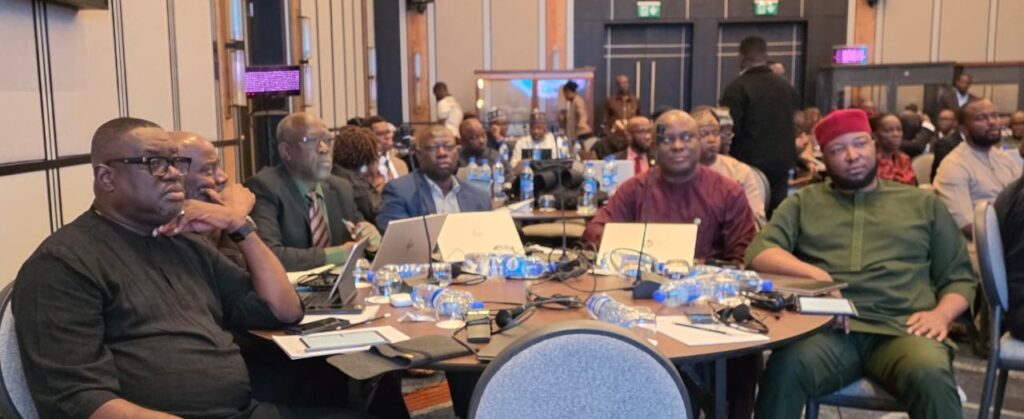
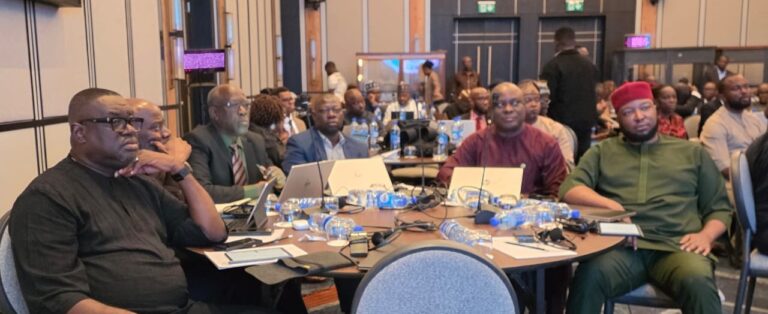
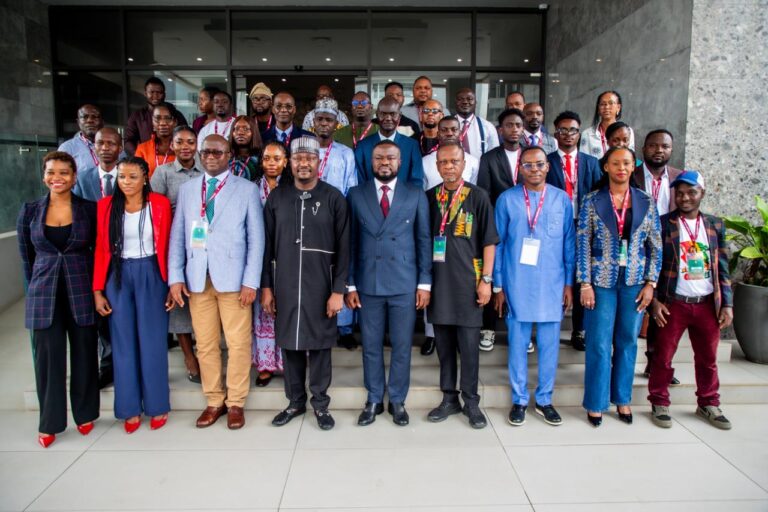
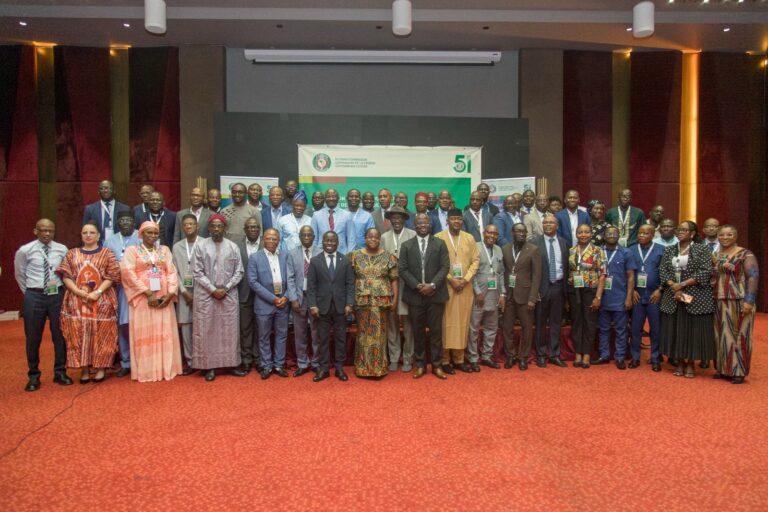
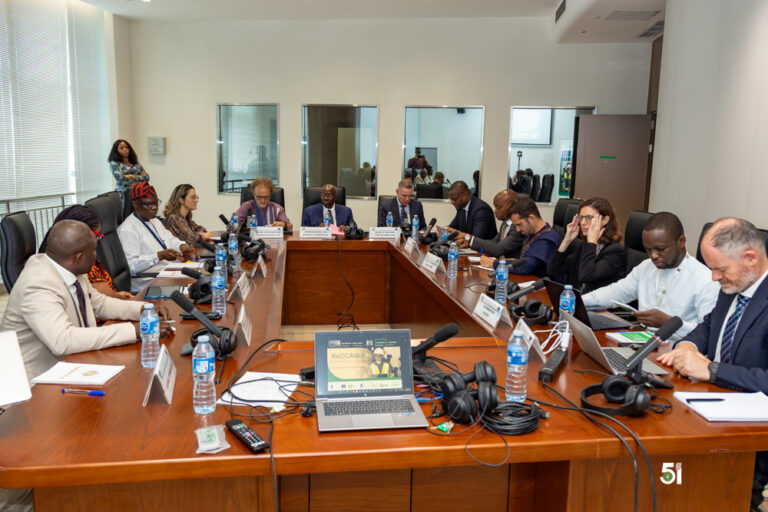
The Directors of the Institutions and Agencies of the Economic Community of West African States (ECOWAS) are meeting from 21st to 30th September 2026 in Lagos (Nigeria), to align and finalise their medium-term expenditure framework (MTEF) 2027–2029 with the strategic priorities for the 2026–2030 term, followed by the review and approval of the 2027 programme budget. The proceedings of this retreat were officially launched on Monday 21st September, 2026 by the Vice-President, H.E. Oluwatosin Anthony OGUNJIMI, on behalf of H.E. General Birame DIOP, President of the ECOWAS Commission.
In his welcome address, the Vice-Chairperson of the ECOWAS Commission clarified that the new management’s strategic priorities do not replace either the ECOWAS Vision 2050 or the Community Strategic Framework 2023–2027. Rather, they aim to focus attention on the results that need to be accelerated during the period 2026–2030, whilst positioning 2026 as a year of transition and redefinition of priorities and 2027 as the first full ear of implementation.
In his view, the Medium-Term Expenditure Framework (MTEF) must be more than a mere compilation of proposals or a list of key activities. It must highlight the identified activities, the expected outcomes, the necessary resources and the implementation timetable for the period 2027–2030. Hence the need to conduct a collective review of the proposed interventions, to identify areas of collaboration, lead entities and contributing entities, to eliminate duplication and fragmentation, and to direct limited resources towards interventions offering the greatest regional value and the greatest potential impact.
“We must also respect statutory obligations, legal commitments and the most effective ongoing programmes. New proposals must therefore be examined in the light of available resource ceilings, implementation capacities and the opportunity cost of existing commitments,” said Vice-President OGUNJIMI.
The work of this retreat must lead to strategic alignment; the definition of priorities; harmonisation and collaboration; a credible and properly costed expenditure framework; and a 2027 work plan based on realistic procurement and disbursement plans, clearly defined performance indicators and objectives, clearly established accountability, and an agreed monitoring and reporting timetable.
Discover how ECOWAS is transforming communities, economies and the lives of West African citizens — one story at a time.