Initializing...
ECOWAS PRESENTS SIGMAT (INTERCONNECTED SYSTEM FOR THE MANAGEMENT OF GOODS IN TRANSIT) AT THE WORLD CUSTOMS ORGANIZATION 2026 TECHNOLOGY CONFERENCE IN ABU DHABI
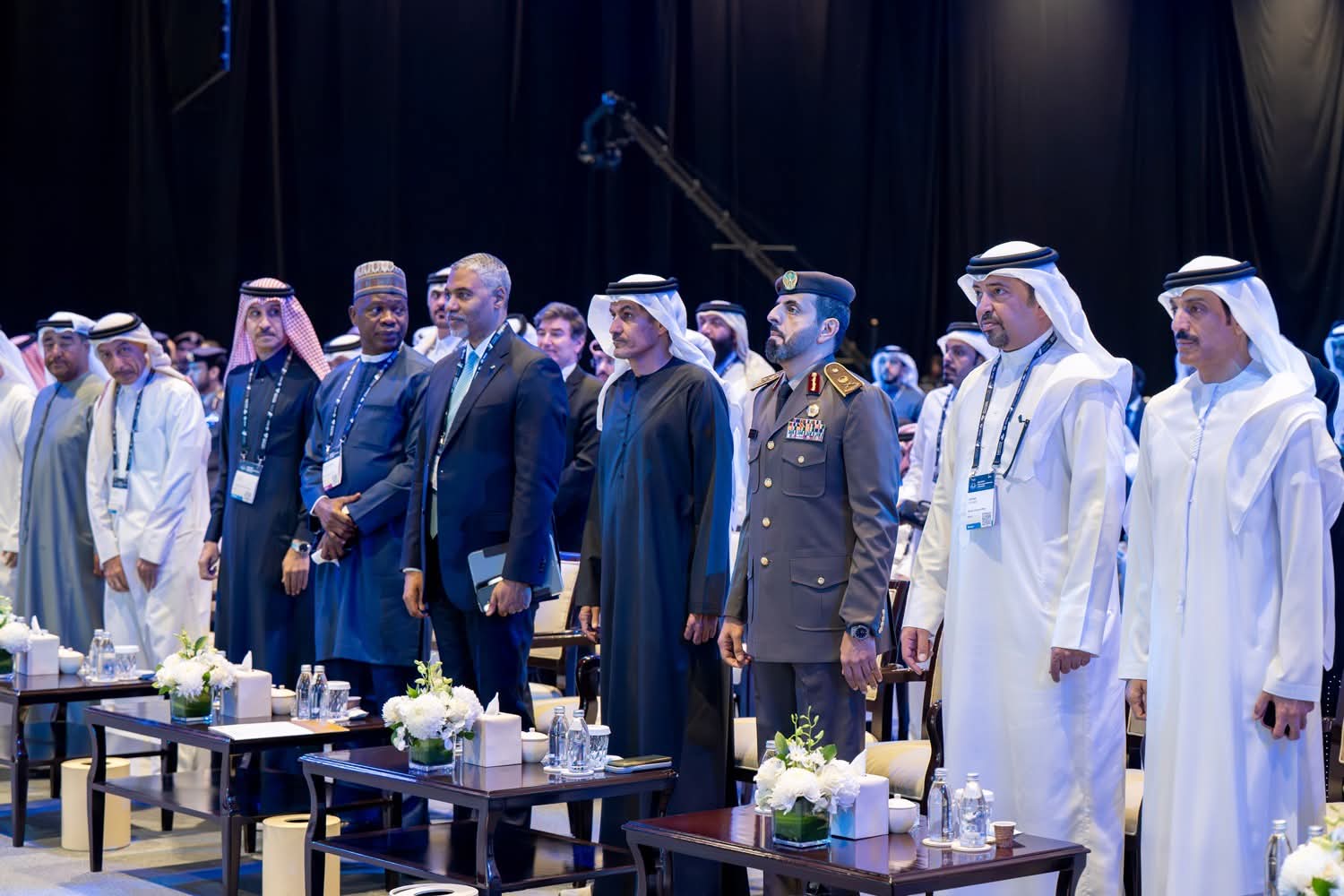
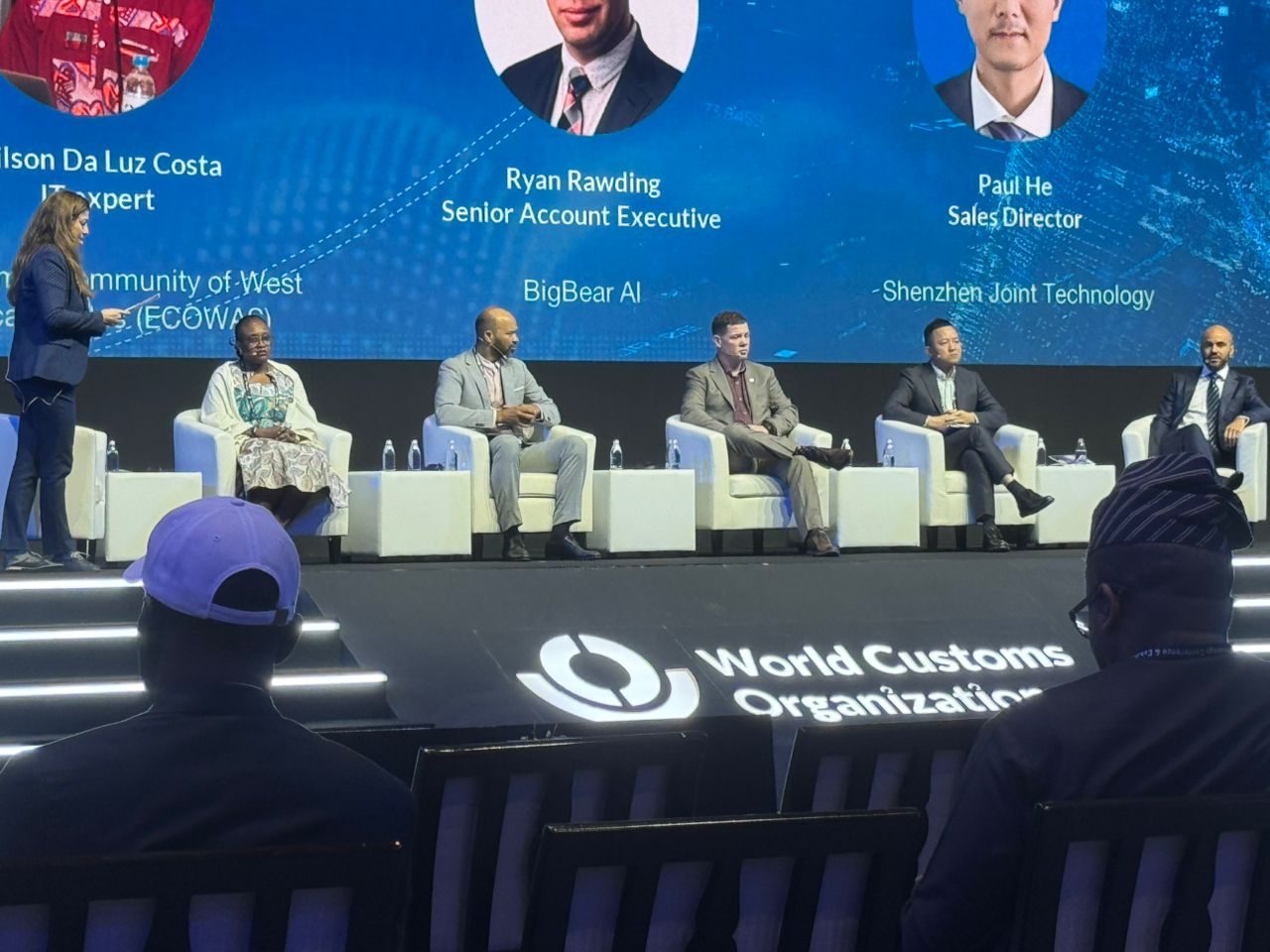
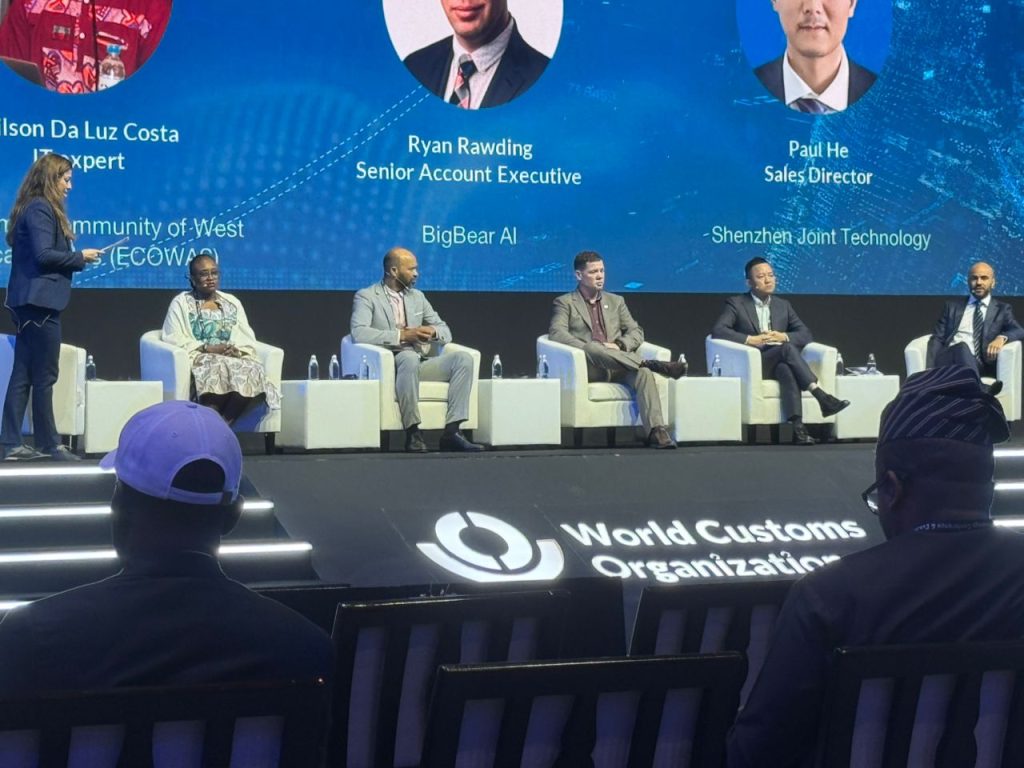
The Directorate of Customs of the ECOWAS Commission participated in the 2026 Technology Conference of the World Customs Organization (WCO), held from 28 to 30 January 2026 in Abu Dhabi, United Arab Emirates. This year’s Conference was organised under the theme “Customs Agility in a Complex World: Securing and Facilitating Trade through Innovation.”
During this major event, which brought together more than 1,500 international stakeholders from customs administrations, industry and the technology sector to explore emerging digital frontiers, ECOWAS showcased its Interconnected System for the Management of Goods in Transit (SIGMAT). This flagship regional initiative aims to modernise customs transit through end-to-end digitalisation and cross-border system interconnectivity.
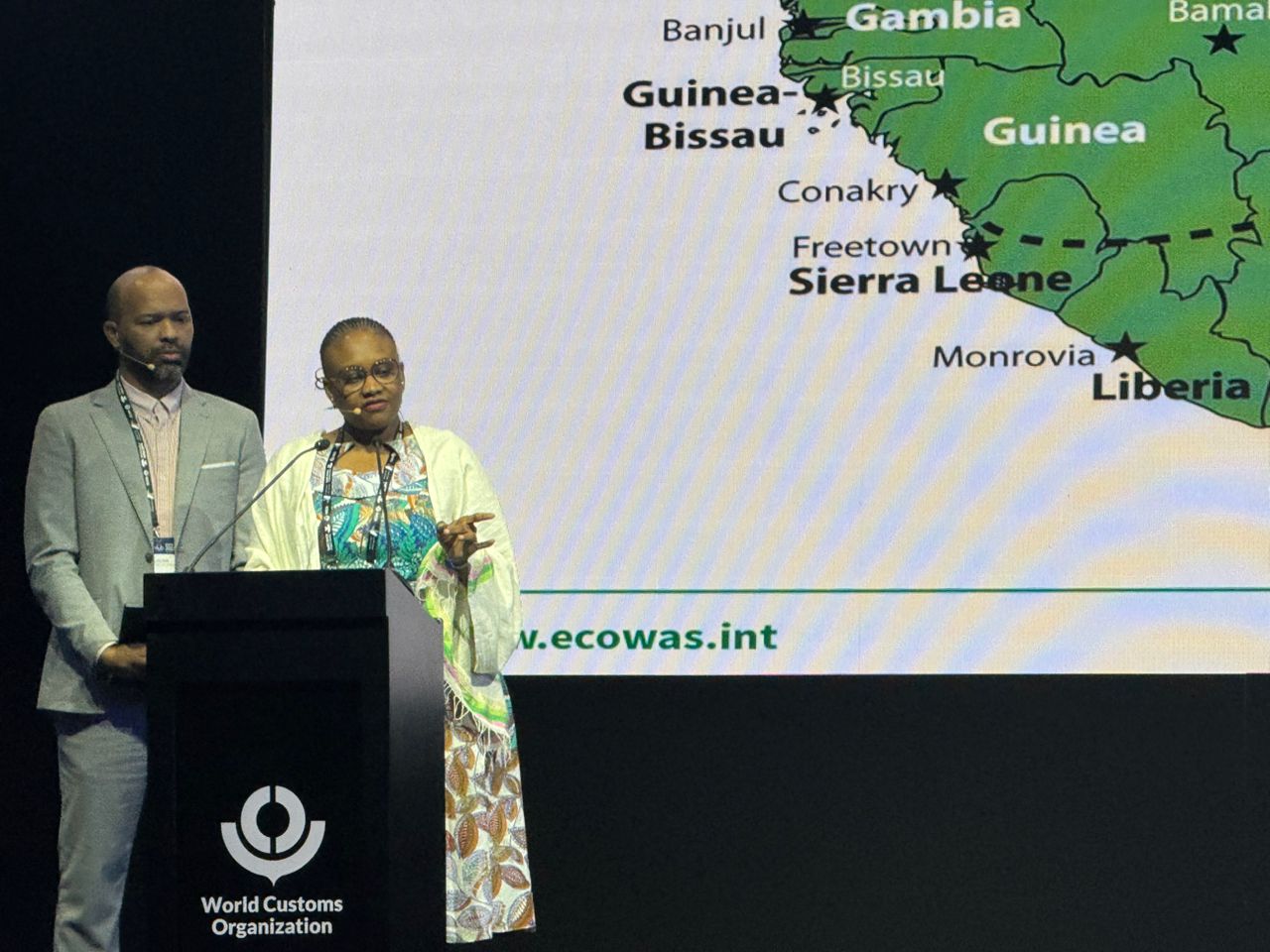
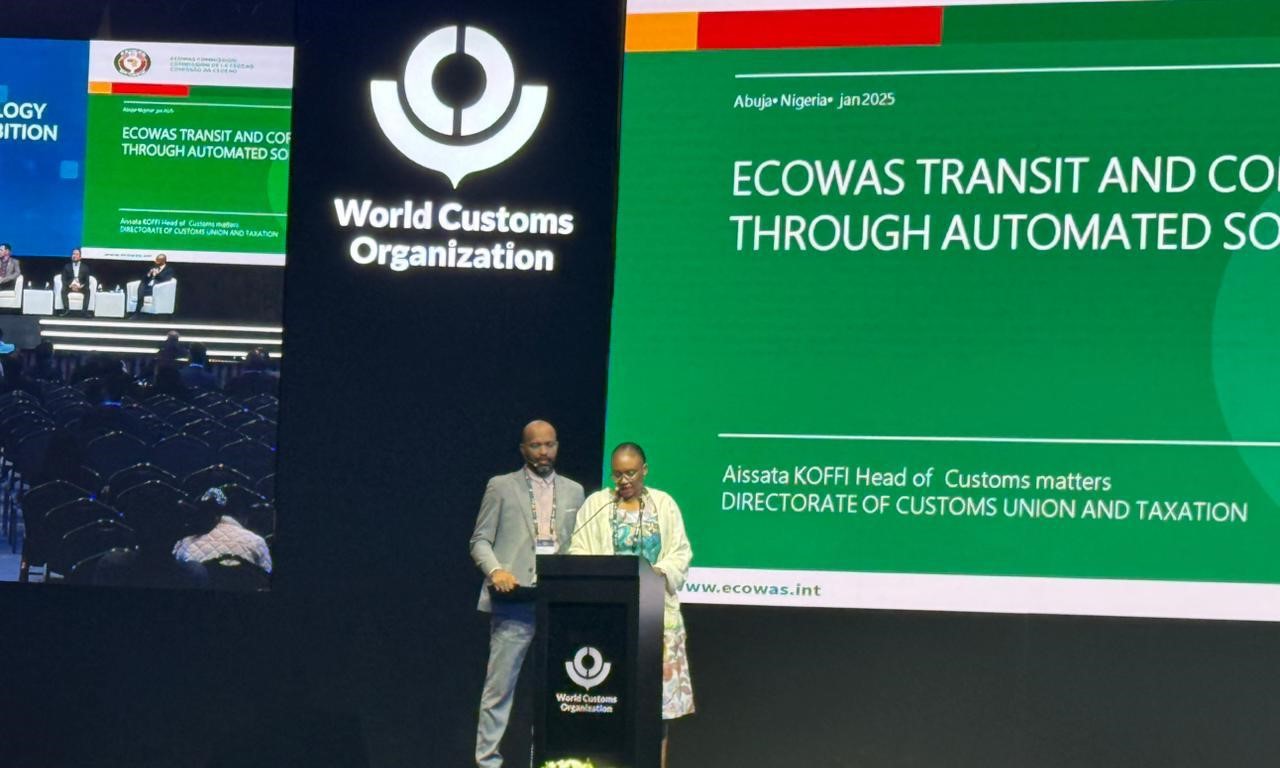
The ECOWAS Commission was represented by Mrs. Aissata Yameogo Koffi, Principal Programme Officer for Tariffs and Customs Regimes, who presented the evolution of the ECOWAS SIGMAT, highlighting measurable progress achieved, implementation challenges — institutional, legal and technical — as well as the solutions adopted to address them.
She also shared with participants the forward-looking roadmap for SIGMAT, which includes further upgrades of the central system, the gradual enhancement of risk management mechanisms, the expansion of transit scenarios aligned with regional customs regimes, broader deployment of mobile and field-based capabilities, and the integration of a regional guarantee management system. This presentation provided a practical and scalable blueprint on how regional digital interoperability can accelerate customs clearance, reduce border frictions and strengthen trust between administrations and trade operators.
ECOWAS reaffirmed its commitment to modernising and automating customs procedures in order to facilitate trade in line with international standards. To enhance the effectiveness of these modernisation initiatives, it is essential to review existing customs procedures with a view to harmonising and simplifying them. In this regard, the Interconnected System for the Management of Goods in Transit (SIGMAT) stands as a core ECOWAS regional solution designed to modernise customs transit through comprehensive digitalisation and cross-border system connectivity.
Since the launch of SIGMAT in 2019, ECOWAS Member States that have deployed the system have reported its significant impact on transit procedures and the tangible benefits it has delivered at national level. As a result, the SIGMAT brand has extended beyond the ECOWAS region, with non-ECOWAS countries expressing interest in adopting the system within their own regions.
Over recent years, ECOWAS has led the technical and functional design, phased implementation and operational stabilisation of SIGMAT across several Member States, with a strong focus on harmonising regional procedures, dematerialising transit-related workflows and securing electronic data exchanges.
ECOWAS’ work has included on-site deployments, structured interoperability testing, end-to-end simulations of message exchanges between customs administrations, as well as continuous capacity-building efforts. The Commission has also delivered functional training for customs officers and technical training for national IT teams, thereby strengthening regional transit procedures, operational best practices and sustainable support models.
Along major regional corridors, SIGMAT interconnections have progressed from the testing phase to full operational use, supported by continuous improvements in system performance, reliability and governance. At the core of this ecosystem, ECOWAS is implementing the SIGMAT e-Hub, which provides a secure and scalable infrastructure for electronic message exchange among customs administrations of Member States, enabling interoperable corridor operations as well as bilateral and multilateral implementations.
Discover how ECOWAS is transforming communities, economies and the lives of West African citizens — one story at a time.