Initializing...
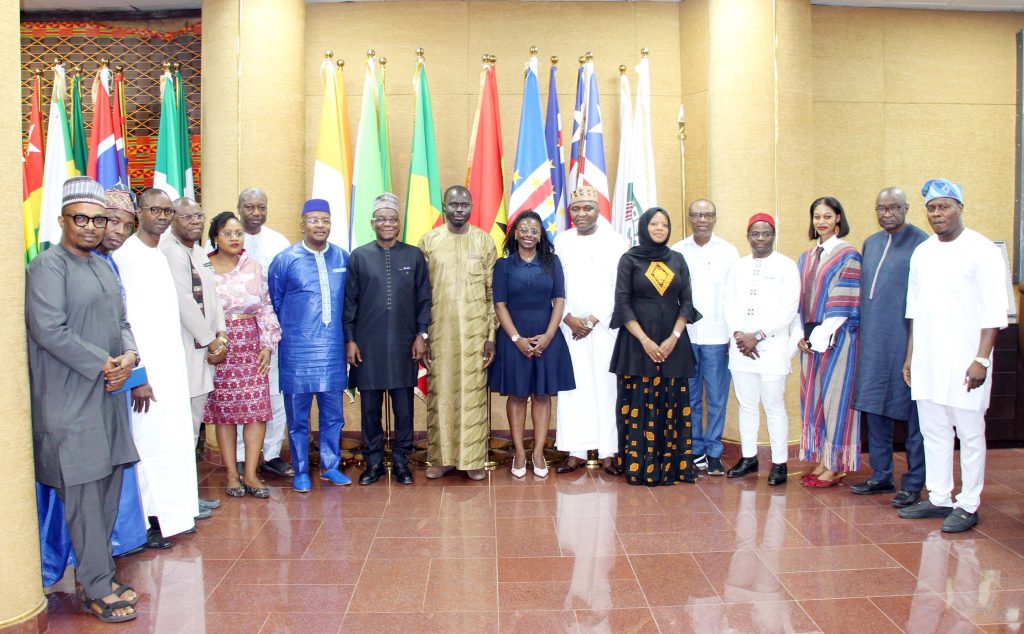
Abuja, Nigeria, 06 February 2026. The Economic Community of West African States (ECOWAS Commission) and the African Development Bank (AfDB) have held a high-level consultation on the extension of the West Africa Regional Integration Strategy Paper (RISP) 2020–2025 to end in 2027, reaffirming their shared commitment to accelerating regional integration, resilience, and inclusive development in West Africa.
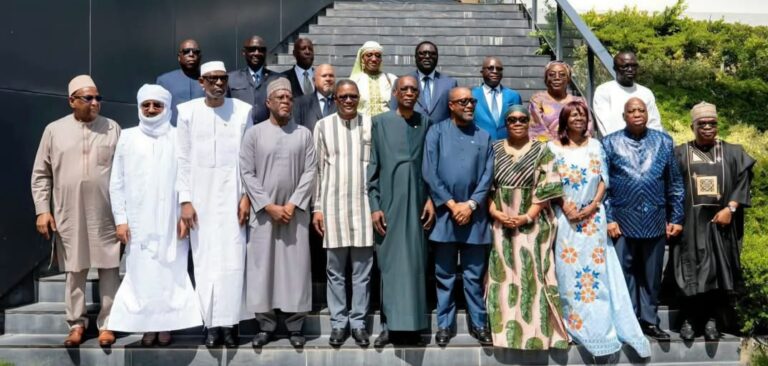
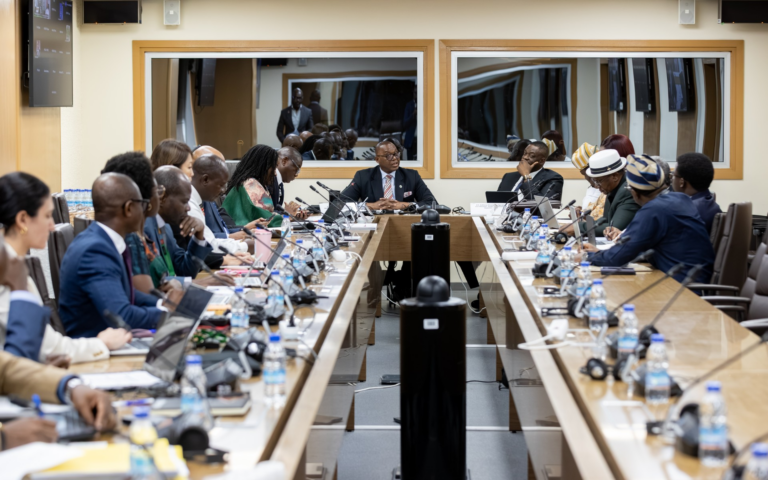
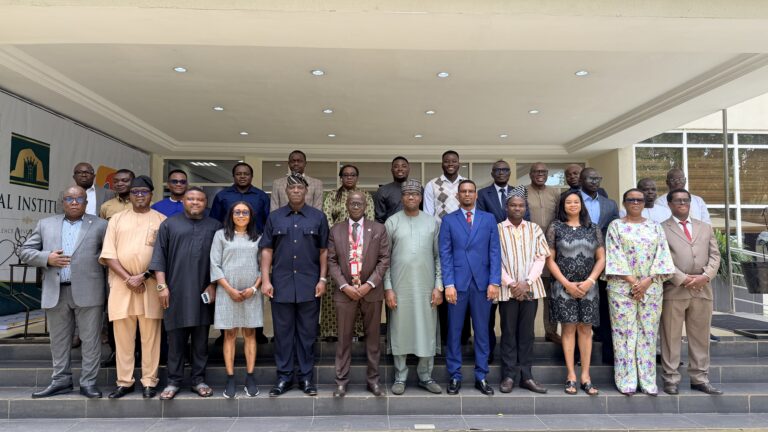
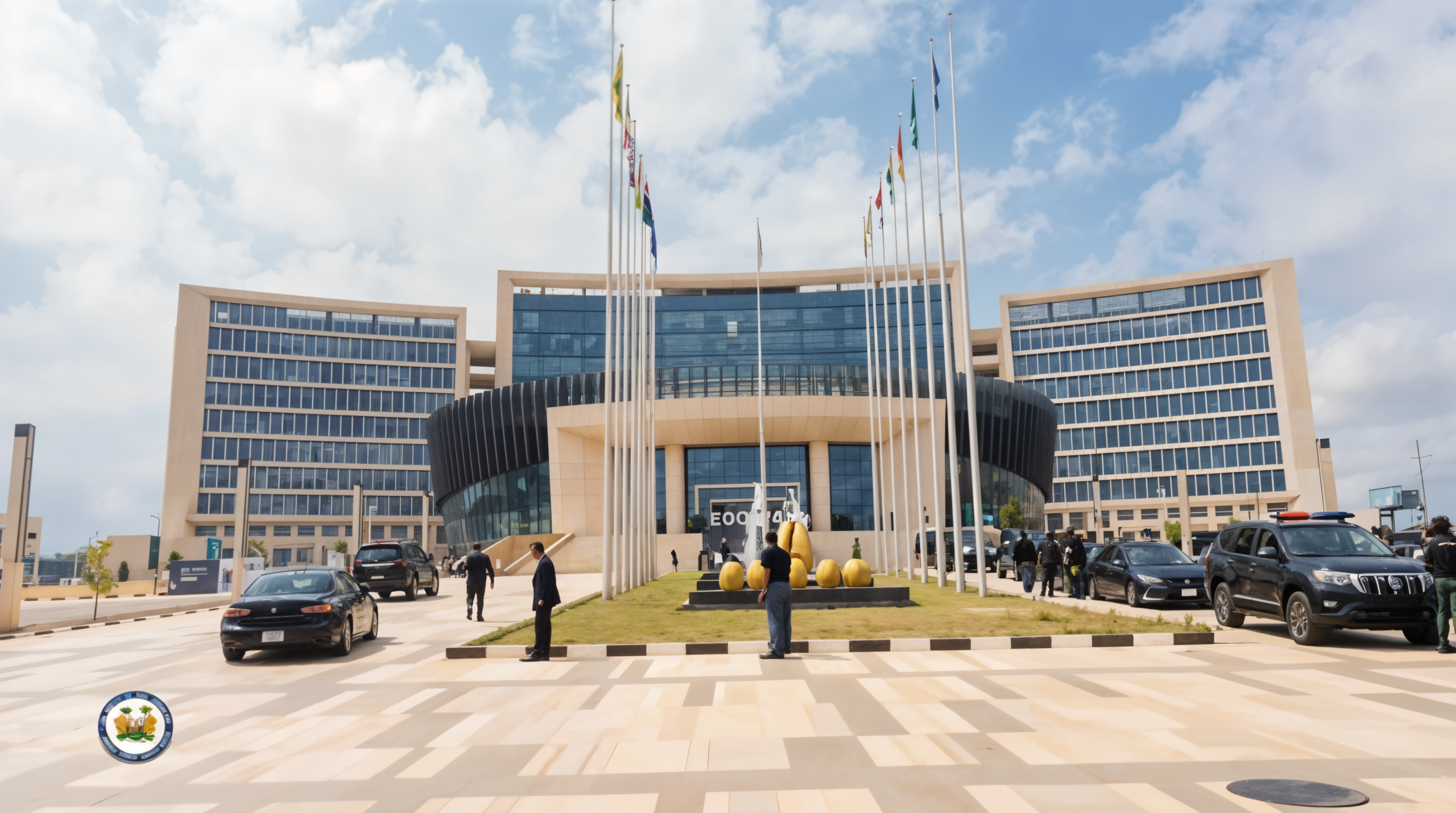
The three-day consultations, held from 4 to 6 February 2026 at the ECOWAS Commission Headquarters in Abuja, Nigeria, brought together senior management of ECOWAS and the AfDB to deliberate on the strategic orientation of the West Africa RISP. The meeting provided a platform for both institutions to align their priorities and validate the Indicative Regional Operations Programme proposed for AfDB support during the extension period.
The consultations further provided an opportunity for ECOWAS to brief the Bank on recent socio-economic and political developments in the region, including ongoing efforts to advance regional integration, support constitutional order, and sustain cooperation with all Member States within the framework of ECOWAS principles.
The engagement follows the approval by the AfDB Board of Directors, in September 2025, of the Mid-Term Review of the RISP, which recalibrated the strategy around two core pillars: strengthening regional infrastructure and investment security for inclusive and sustainable development and improving resilience and institutional governance to prevent crises and enhance social cohesion.
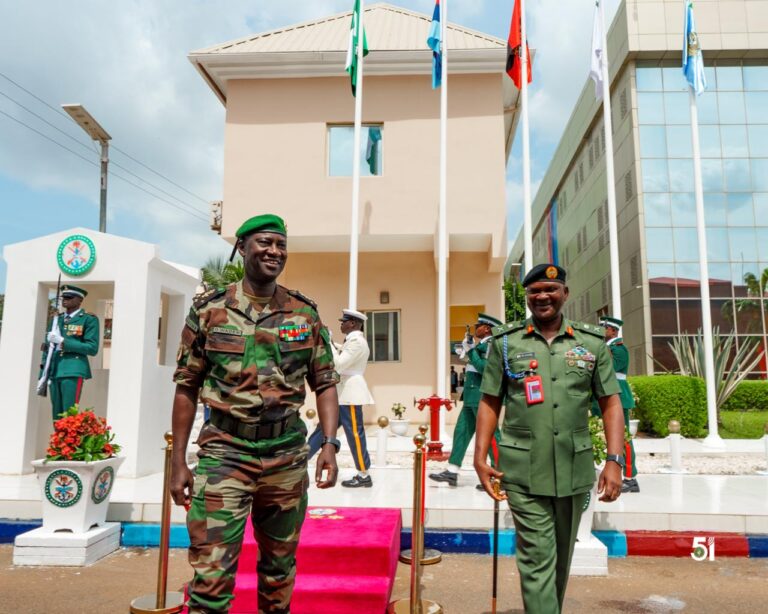
In his opening remarks, the President of the ECOWAS Commission, H.E. Dr. Omar Alieu TOURAY warmly welcomed the AfDB delegation led by Mr. Lamin BARROW, Director General for West Africa, alongside Dr. Abdul KAMARA, Director General for Nigeria, and commended the Bank’s longstanding partnership with ECOWAS. He praised the AfDB’s consistent support to the regional integration agenda, noting its multifaceted interventions since 1988 across critical sectors including infrastructure, agriculture, trade, customs, energy, health, education, and capacity development.
“On behalf of ECOWAS, I want to use this opportunity to commend the AfDB’s commitment to spur sustainable economic development and social progress in its regional member countries and in ECOWAS region to contribute to poverty reduction. I also want to commend the Bank for the initiative of today’s consultation, aimed at considering ECOWAS views and priorities in the extension exercise of its 2020-2025 Regional Integration Strategy Paper (RISP) to end in 2027. I welcome the constant and various consultations held with the Bank to strengthen ECOWAS-AfDB cooperation and align its intervention with ECOWAS strategic vision and priorities. ECOWAS deeply appreciate the AfDB multifaceted support to ECOWAS since 1988 in various domain such as agriculture, infrastructure, trade, custom, capacity development, health, education, industry, and energy’’ Dr. TOURAY said.
The ECOWAS President underscored the importance of the consultations, describing them as a demonstration of the Bank’s readiness to listen to ECOWAS priorities and adapt its interventions to evolving regional realities. He reaffirmed ECOWAS’ strong commitment to deepening cooperation with the AfDB in line with ECOWAS Vision 2050 and its 4×4 Strategic Objectives, aimed at deepening integration, strengthening peace and security, promoting inclusive and sustainable development, entrenching good governance, and fostering equitable partnerships.
He also reiterated ECOWAS’ appreciation for AfDB’s support to flagship regional infrastructure projects, notably the Praia–Dakar–Abidjan Corridor and the Abidjan–Lagos Corridor, as well as the Bank’s role in mobilizing resources to transform these projects into engines of regional growth, trade facilitation, and job creation.
In his remarks, Mr. Lamin Barrow, Director General of the AfDB for West Africa, emphasized that the proposed extension of the RISP is a strategic decision rather than a routine administrative process. He highlighted that the extension would enable the Bank and ECOWAS to adapt regional programming through a fragility-sensitive lens, incorporate lessons learned from ongoing operations, and strengthen alignment with ECOWAS Vision 2050, the AfDB’s Ten-Year Strategy 2.0, and the Bank’s Four Cardinal Points.
Lamin said, “Following the coming to term of the current West Africa RISP in December 2025, an extension of this critical regional programming tool is necessary to underpin new operations under our partnership. the proposed extension of the West Africa RISP is not a routine administrative exercise. It is a strategic choice—to ensure that regional operations are fit for purpose and a driver of inclusive growth, resilience building for social cohesion and lasting political stability in the region, where no nation is left behind.”
Mr. Barrow noted that West Africa continues to face heightened macroeconomic pressures, security challenges, and vulnerability to shocks, which place increasing strain on regional integration efforts. Despite these challenges, he disclosed that the AfDB’s regional operations portfolio in West Africa currently stands at over USD 3 billion, covering transformational projects in infrastructure, agriculture, energy, governance, and regional public goods.
In his remarks, the ECOWAS Commissioner for internal services, Dr. Habib Yaya BAPPAH commended the AfDB for its approach of engagement with ECOWAS. He underscored the need to promote inter- institutional dialogue, and joint strategy to deliver as one, based on complementarity and comparative advantage.
Both parties acknowledged the need to accelerate implementation of multinational projects and enhance ownership, readiness, and selectivity to ensure that regional investments deliver tangible benefits to citizens. The consultations reviewed the status of 116 active AfDB-funded projects, examined measures to improve portfolio performance, and validated the Indicative Regional Operations Programme for 2026–2027.
Discover how ECOWAS is transforming communities, economies and the lives of West African citizens — one story at a time.