Initializing...
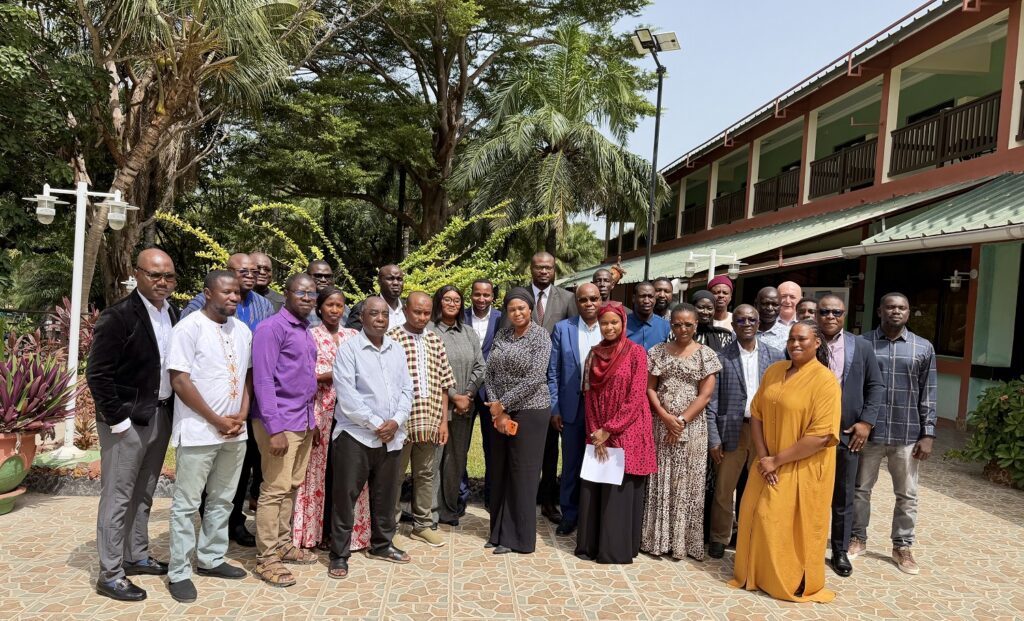
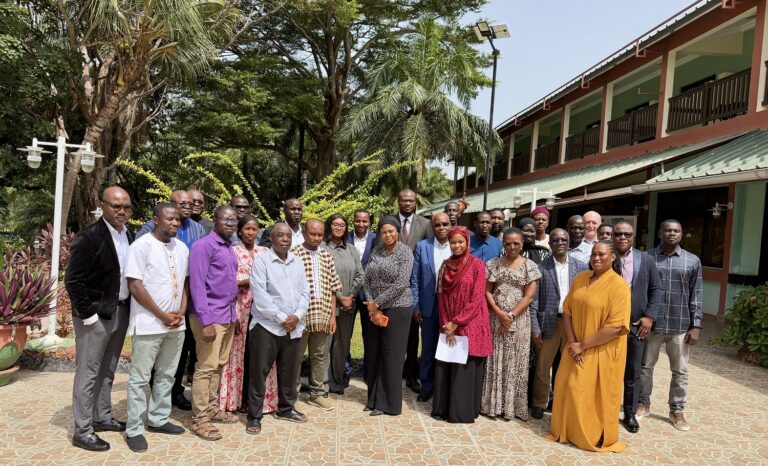
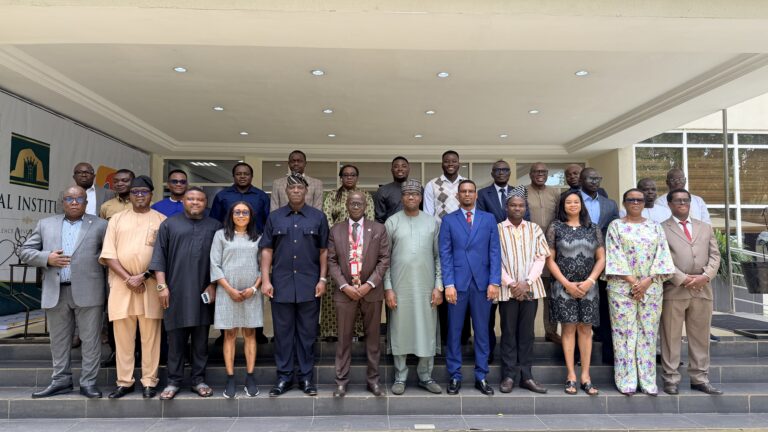
As the ECOWAS Regional Electricity Access Project (ECOWAS-REAP) approaches closure, members of the project led by the ECOWAS Directorate of Energy and Mines, has commenced a Lessons and Result Note (LeaRN) Mission organized by the World Bank in The Gambia to document key experiences, share lessons learned, and identify opportunities to strengthen implementation strategies for ongoing and future projects under the regional programme.
The mission, which will run from October 12 to 16, 2026 in Banjul, The Gambia, brings together representatives of the ECOWAS Directorate of Energy and Mines, the ECOWAS-REAP Regional Coordination Unit (RCU), the National Project Implementation Unit (PIU) in The Gambia under the National Water and Electricity Company, and the World Bank – the project’s funding partner.
Declaring the mission open, the World Bank’s project Task Team Leader, Elise AKITANI, noted the importance of the exercise as an opportunity to assess the implementation of the project and capitalized the good practices and lessons learned and examine the strategies that worked, as well as areas requiring improvement. She noted that the process would provide a deliberate platform for institutional learning and aid the design and implementation of future projects.
Likewise, the Director of Energy and Mines of the ECOWAS Commission, Arkadius KOUMOIN, emphasised that the mission seeks to draw on the experience gained through ECOWAS-REAP to refine implementation approaches and strengthen the delivery of other ongoing projects, and the formulation of future projects under the programme.
Also speaking, the Project Coordinator of The Gambia’s PIU, Haddy NJIE, appreciated the World Bank for its continued support in ensuring the smooth implementation of the project and for the financing envelope allocated the project which has translated into tangible impact to the Gambian population.
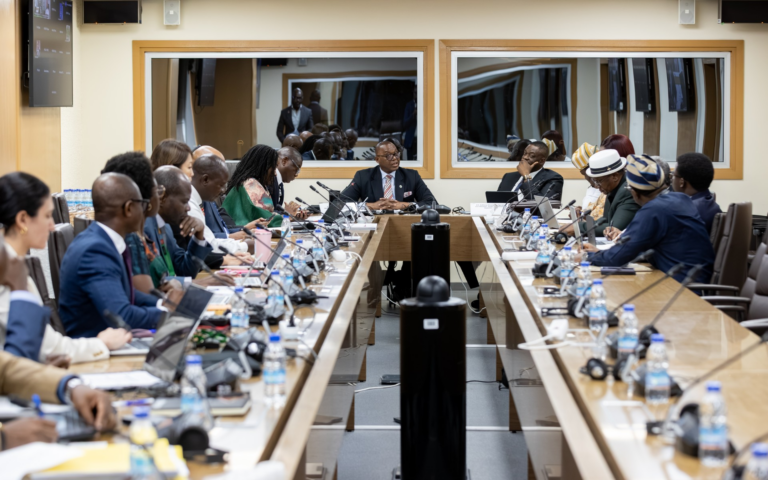
As the project comes to a close on December 31, 2026, the various project teams, including procurement, financial management, environmental and social safeguards, monitoring and evaluation, and operations, presented updates on implementation progress, infrastructure installation, and operational status. Discussions also focused on challenges and bottlenecks encountered during implementation, key lessons learned, and recommendations to guide other ongoing and future projects.
Since 2019, the ECOWAS Commission, through its Directorate of Energy and Mines, has been engaged in implementing a set of structural actions aimed at realizing its Vision 2050 for the energy sector. Thus, ECOWAS initiated, with the support of World Bank, the Regional Electricity Access Programme to be implemented in the form of a series of projects across eleven countries, including nine ECOWAS Member States.
ECOWAS-REAP is the first project under the programme and kicked off in 2019. It covers The Gambia, Guinea Bissau and Mali with the objective to increase access to reliable energy services and enable cross-border electrification in the beneficiary countries, thereby allowing 2.04 million people to benefit from electricity services.
The project is supported by US$225 million in concessional financing from the World Bank’s International Development Association (IDA), reflecting the strategic importance of expanding electricity access across the region.
Key infrastructure outputs under the project include the construction of approximately 3,900 kilometres of medium-voltage (33 kV) lines, the installation of 1,060 transformer substations (33 kV/400 V), and the deployment of 3,700 kilometres of low-voltage (400 V) networks.
The project also provides for the supply and installation of electricity connection equipment, including service connections, prepaid or smart meters, and associated components, to support effective and sustainable access to electricity.
The LeaRN Mission forms part of the project’s closure process, providing an opportunity to consolidate implementation experience, capture good practices, and develop practical recommendations to inform the implementation of subsequent projects under the Regional Electricity Access Programme.
Discover how ECOWAS is transforming communities, economies and the lives of West African citizens — one story at a time.