Initializing...
The Economic Community of West African States (ECOWAS) Commission is called upon to continue its efforts in the areas of resource mobilisation, capacity building and regional coordination.
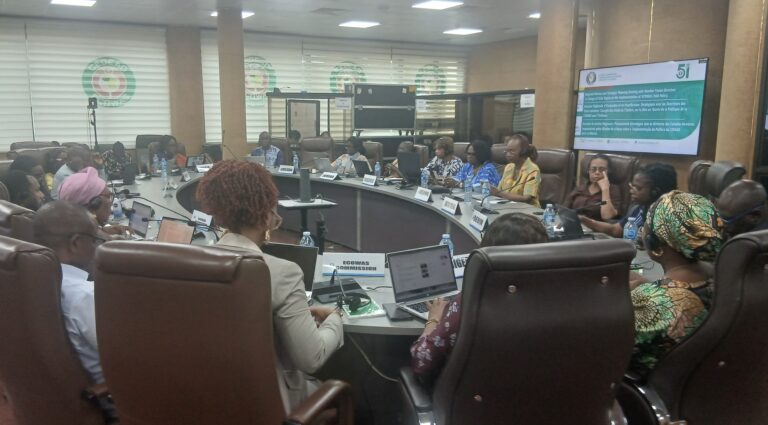
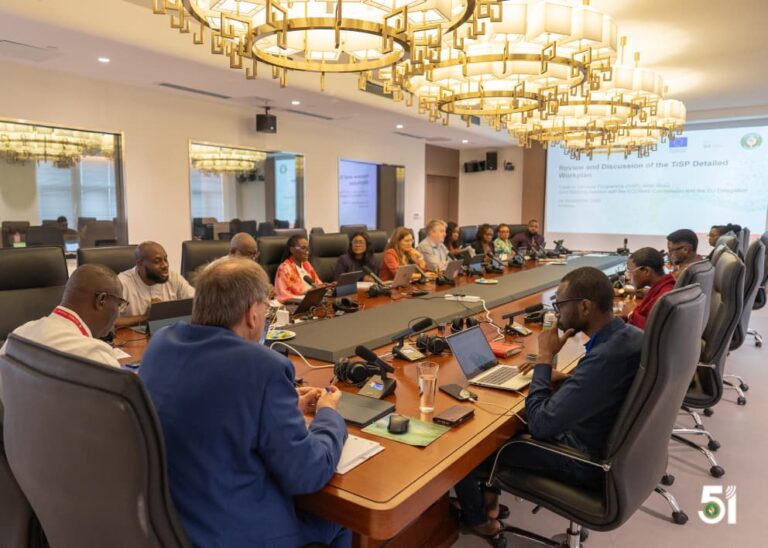
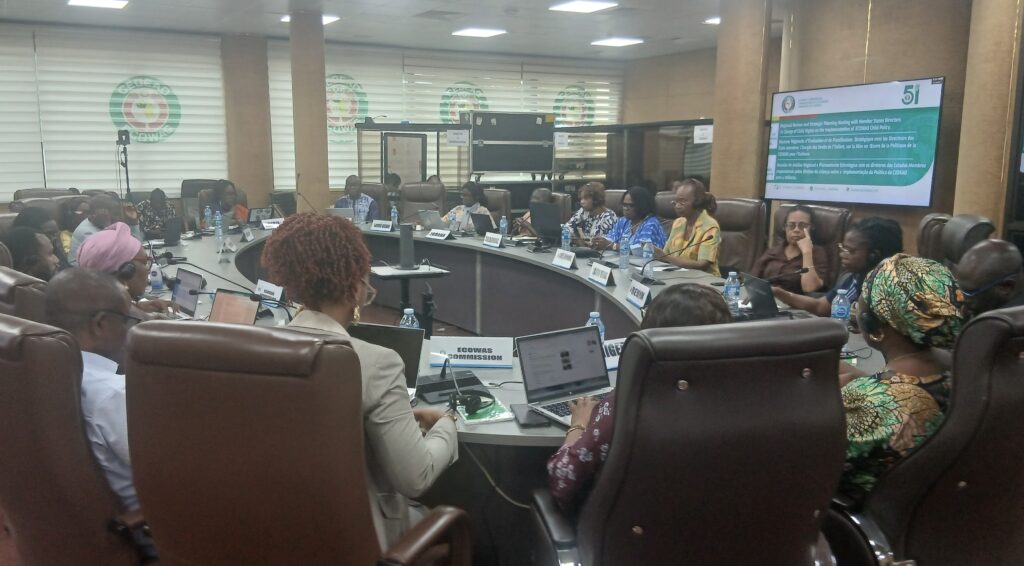
This is the recommendation made to the Commission by participants at the regional review and strategic planning meeting on the implementation of the ECOWAS Policy on Children, which concluded on 25 September 2026 in Abuja, Nigeria.
As for development partners, they are urged to continue supporting the actions and capacity-building of ECOWAS Member States with a view to ensuring the long-term promotion of children’s rights in West Africa.
As for these Member States, they are recommended to promote comprehensive and sustainable data collection and to appoint focal points responsible for children’s rights within their various key ministries.
They are also encouraged to ensure that public awareness campaigns are stepped up, in particular by strengthening community engagement.
They are further urged to ensure the establishment of effective coordination and collaboration mechanisms amongst child protection stakeholders within ministries, departments and agencies at sub-national, national and regional levels.
The participants called on these States to endeavour to increase their budgetary allocations to 3 per cent for child protection interventions, in accordance with the ECOWAS Policy on Children adopted on 29 June 2019 by West African leaders.
Another decision taken at the meeting concerns the measures to be taken by these States to replicate the model of the Child Rights Information Management System (ECRIMS) at national and sub-national levels, with the aim of ensuring consistent approaches to data collection and reporting.
ECOWAS member states are also urged to create more opportunities for their children to participate in the process of developing and implementing child-related policies, so that their voices are heard within the regional community.
It is further suggested that they continue to strengthen their national child protection systems, paying particular attention to children with disabilities, and extend social protection benefits to vulnerable families and children with special needs.
At the conclusion of the meeting, the Programme Officer for Children’s Rights, Child Protection and Child Labour at the ECOWAS Commission, Ms Bassasso Essossinam Ali Tiloh, welcomed the unanimous adoption of these various recommendations and the final report of the meeting by all the delegates.
She expressed her gratitude to the delegates for their contributions, recommendations and active participation in the proceedings.
For her part, the Deputy Director for Child Development at Nigeria’s Ministry of Women’s Affairs, Ms Mariam Fitumi Shaibu, speaking on behalf of Senegal, which currently holds the ECOWAS Chairmanship, thanked the delegates for their commitment to promoting the rights, protection and well-being of West African children.
In her view, the conclusions and recommendations arising from the meeting should serve as a practical roadmap for strengthening child protection systems and improving accountability regarding the rights of every child within the ECOWAS region.
“Let us ensure that no child is left behind and that every child in West Africa fully enjoys their rights to survival, development, protection and participation,” said Ms Mariam Fitumi Shaibu.
It is important to note that the aim of this three-day meeting was to validate the summary reports on the implementation of the Child Policy submitted by Member States in 2024 and 2025 (2023 and 2024 reports) with a view to implementing the recommendations and the progressive extension of ECRIMS to other areas of children’s rights.
It served as a framework for strengthening these States’ capacity to define benchmarks for child rights programming and its integration into national development planning.
It also contributed to capacity-building regarding the ongoing process of establishing ECRIMS, which began in 2022, and in particular the online tool that has been developed.
The meeting also enabled participants to assess the progress of actions in each Member State and to define priorities in terms of policy and programming.
The expected outcomes of the meeting include, in particular, an assessment of the progress made in implementing the four pillars of the ECOWAS policy on children’s rights, improving knowledge and operational expertise regarding the implementation of this policy, including the definition of corresponding intervention strategies, and strengthening the capacity of institutions responsible for children’s rights and the focal points in ECOWAS Member States regarding the effective use of the ECRIMS reporting tool.
Discover how ECOWAS is transforming communities, economies and the lives of West African citizens — one story at a time.