Initializing...
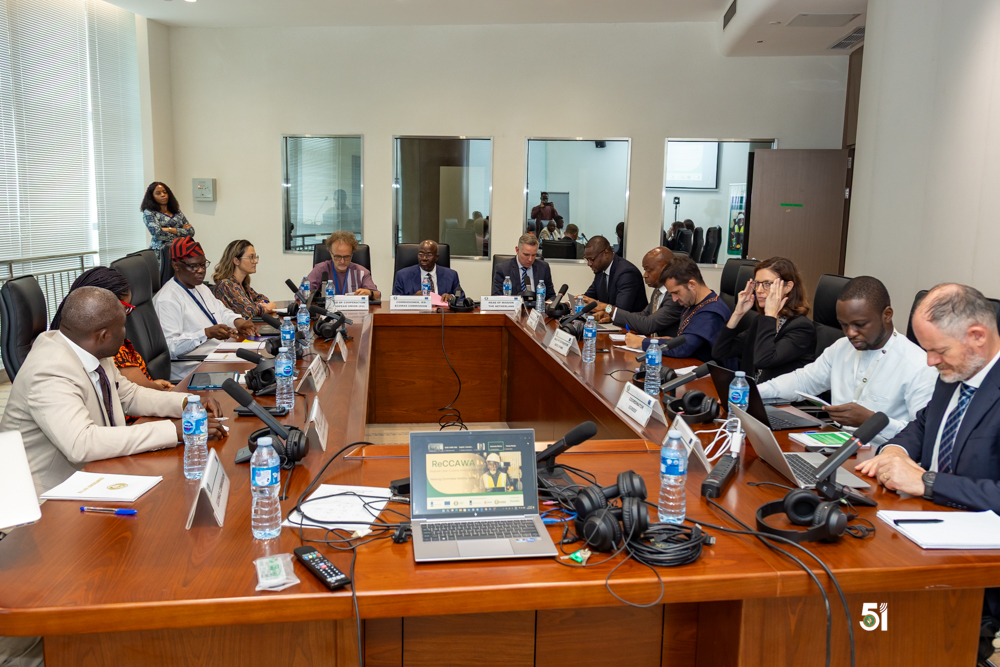
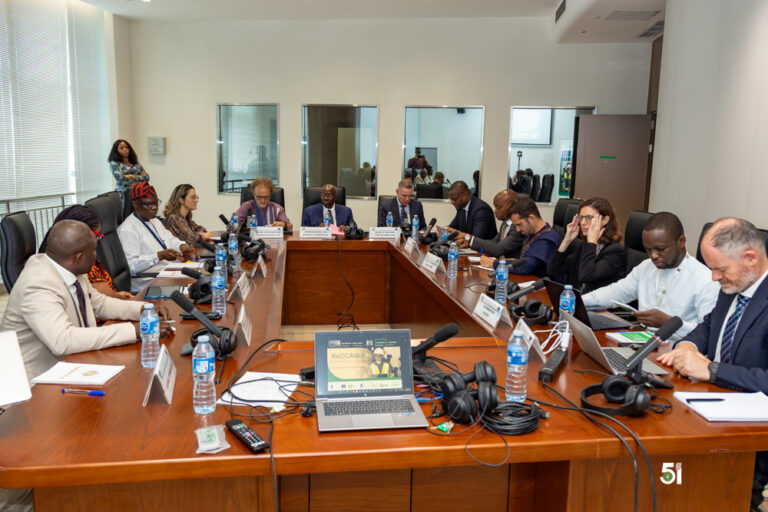
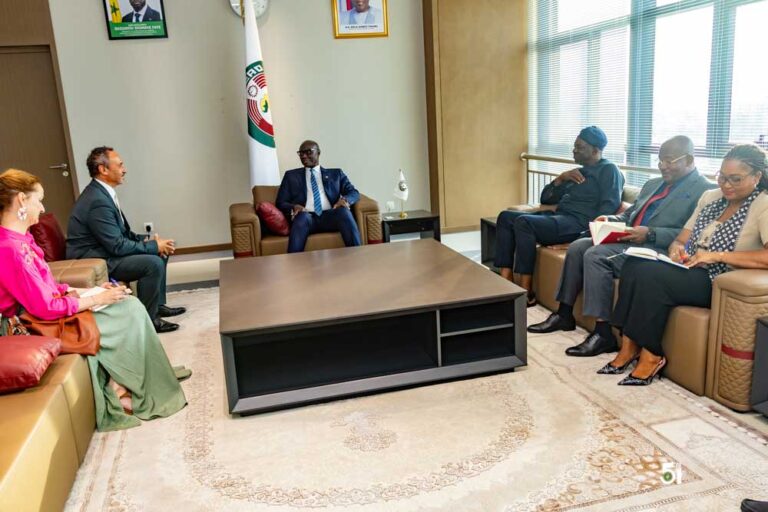
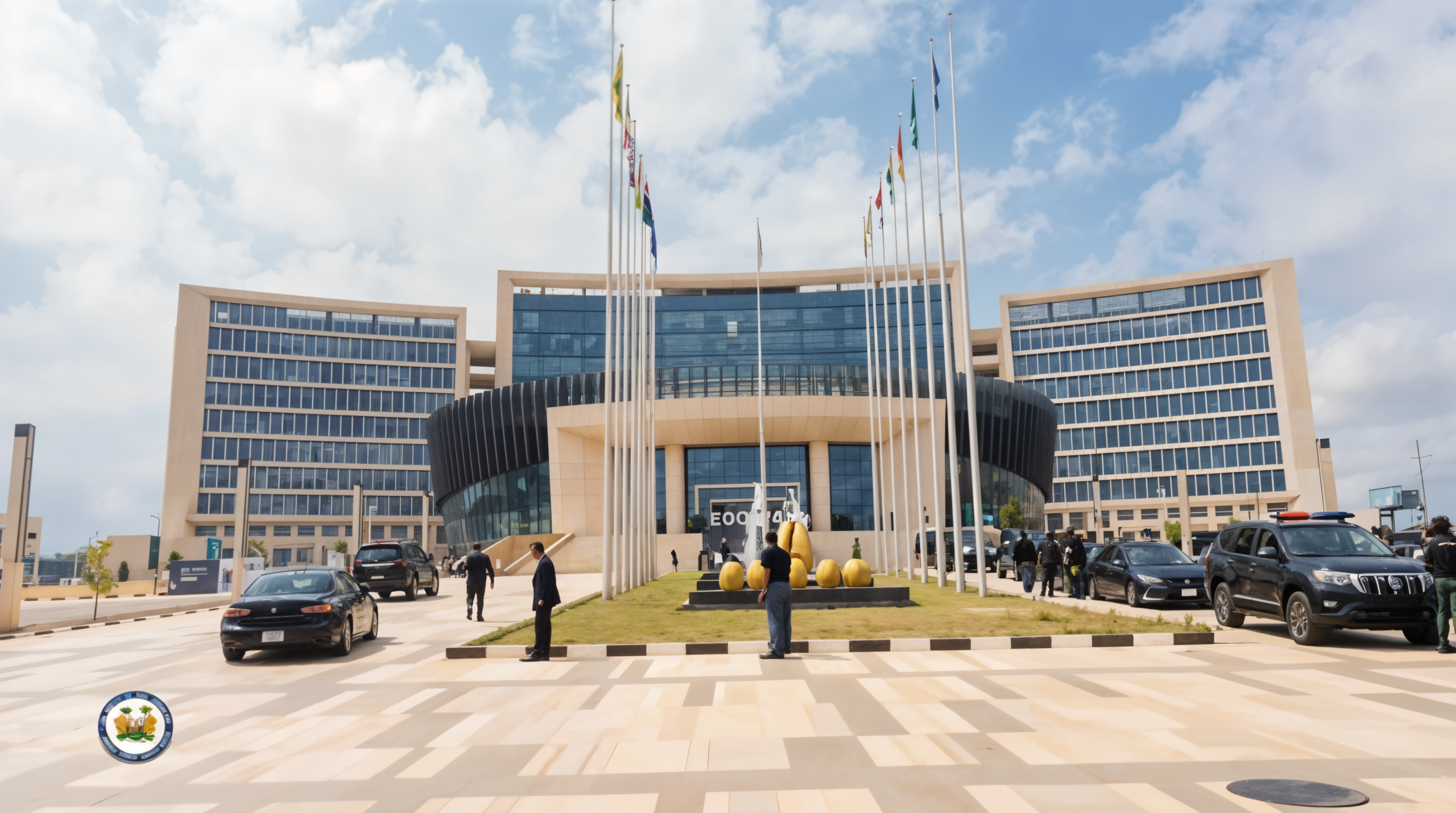
The Economic Community of West African States (ECOWAS) Commission, alongside international development partners, convened the Second Steering Committee meeting for the Regional Clean Cooking Action in West Africa (ReCCAWA) at the ECOWAS Headquarters in Abuja on the 18th of September, 2026. Financed with €17 million from the European Union and the Netherlands Ministry of Foreign Affairs, the regional initiative targets expanding access to affordable, reliable, clean, and sustainable clean cooking solutions for 750,000 people across West Africa.
Jointly implemented by the ECOWAS Centre for Renewable Energy and Energy Efficiency (ECREEE), the Spanish Agency for International Development Cooperation (AECID), and the Netherlands Enterprise Agency (RVO), the project addresses the severe public health, environmental, and socio-economic challenges tied to traditional biomass fuels like firewood and charcoal. During the meeting, partners reviewed technical progress, reinforced national ownership, and aligned regional policy frameworks, gender equity commitments, and market development strategies. The Steering Committee is chaired by the ECOWAS Commission’s Energy and Mines Directorate.
Delivering the opening remarks, the ECOWAS commissioner for energy Infrastructure, energy and digitization, honorable commissioner Amin Amidu Sulemani, reminded participants that the vast majority of households in the region still depend on traditional biomass such as firewood and charcoal, resulting in severe impacts on the health of women and children, worsening deforestation, and climate degradation. He explained that ReCCAWA represents a response aligned with regional bioenergy and energy efficiency targeting clean cooking access for 750,000 people. Recalling that the preparatory Technical Committee had completed vital work in Praia, Cape Verde, he urged the Steering Committee to focus on reviewing activity progress, reinforcing coordination between implementing agencies, securing robust national ownership, and maintaining unified, coherent public communication, after which he declared the meeting open.
The Head of partnerships, EU delegation to Nigeria and ECOWAS, Massimo DE LUCA noted that Clean Cooking remains a priority action to stimulate sustainable development in West Africa with benefits on all fronts: environmental, economic, inclusion, health. This is part of the EU’s commitment to clean cooking in West Africa and globally. Emphasis will increasingly be put on investments in local production of suitable solutions in line with the EU’S Global Gateway strategy.
Speaking on behalf of the Netherlands Embassy and Ministry of Foreign Affairs, the deputy head of mission, Netherlands embasy, Ronald Sonnemanas highlighted that with only a quarter of West Africans possessing clean cooking access, the political momentum surrounding clean energy transitions is rising ahead of the United Nations General Assembly. He acknowledged the preparatory and inventory work undertaken so far and stated that the critical next phase must translate groundwork into concrete, tangible implementation. He also called for a strong ECOWAS leadership and political ownership to anchor regional policies into national frameworks, while explicitly urging the committee to ensure transparent delivery, close strategic alignment, and demonstrable links between financial expenditures and on-the-ground impacts.
The representative from AECID emphasized that clean cooking is fundamentally linked to energy access, public health, climate protection, and economic development, cautioning that it should never be treated as a secondary issue. He stressed that gender equality is central to Spanish Cooperation’s development policy, noting that interventions must alleviate the disproportionate burdens borne by women and actively integrate them throughout the clean cooking value chain. Expressing firm support for multilateral solutions over fragmented efforts, he reiterated the importance of positioning ECREEE as a central regional knowledge hub and urged partners to combine their institutional strengths to deliver measurable improvements for the citizens of West Africa.
The committee ensures ReCCAWA shifts seamlessly from administrative preparation to results-driven delivery, accelerating modern energy access, environmental protection, and gender equality across West Africa.
Discover how ECOWAS is transforming communities, economies and the lives of West African citizens — one story at a time.