Initializing...

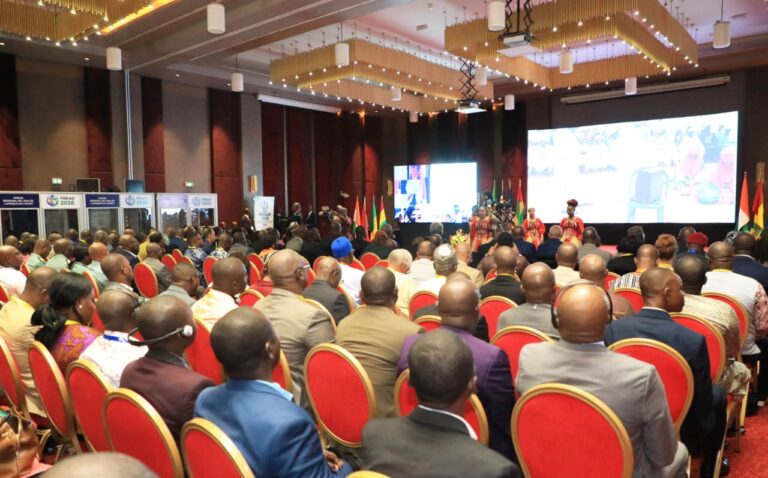
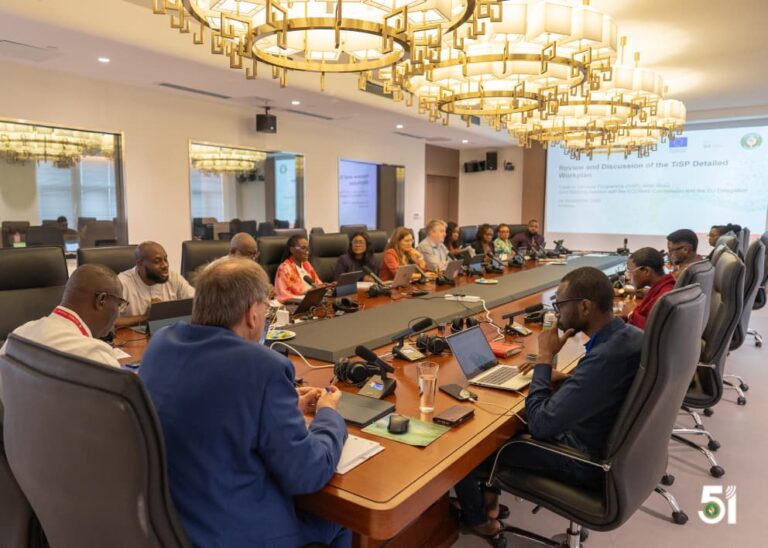
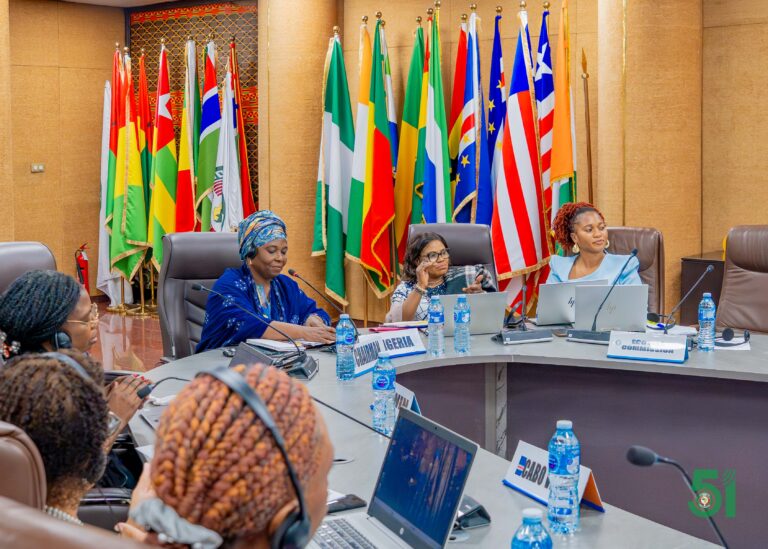
The Economic Community of West African States (ECOWAS), through the Regional Agency for Agriculture and Food (ARAA), organised a regional workshop marking the launch of the process to develop procedures for the ‘Risk Financing’ Window of the Comprehensive Financing Mechanism for Interventions under the Regional Food Security Reserve (RRSA). This meeting, held as part of the implementation of the Food System Resilience Programme (FSRP) funded by the World Bank, brought together in Lomé, on 29 and 30 July 2026, more than 70 representatives from member states, regional institutions, technical and financial partners, and organisations involved in food security and disaster risk management in West Africa and the Sahel.
The establishment of this Window forms part of the process of revising the regional stockpiling strategy and adjusting the operating rules of the Regional Food Security Reserve. The strategic discussions undertaken in this context prioritise the Reserve’s evolution into an integrated regional financing mechanism, capable of mobilising and combining various intervention instruments as well as complementary sources of funding. This mechanism will enable more appropriate responses to crises and shocks affecting food security, considering their nature, scale and timing.
Within this mechanism, the ‘Risk Financing’ window represents a major innovation designed to facilitate the rapid mobilisation of resources in the event of disasters or sudden shocks, which are often inadequately covered by traditional food security analysis mechanisms, such as the Harmonised Framework, whose analysis cycles do not always allow for these unpredictable events to be taken into account swiftly. Through this Window, the reserve puts its financial component into operation and strengthens its capacity to respond swiftly to emergency situations using various modalities (cereals, cash transfers, nutritional products, livestock feed, etc.). Interventions can thus be triggered based on objective, transparent, verifiable and pre-defined parameters, underpinned by evidence.
The implementation of this mechanism requires the development of a robust procedure’s manual, setting out the rules of governance, financial management procedures, trigger mechanisms, institutional responsibilities, and monitoring and accountability procedures.
This manual should also set out the eligibility and access criteria for the scheme, the fiduciary control and audit arrangements, and the complaint-handling procedures. Consequently, the involvement of local, national and regional stakeholders is essential to ensure the relevance, technical quality, institutional legitimacy and collective ownership of this innovative instrument, whilst guaranteeing the transparency, traceability and speed of interventions.
This was the very purpose of the Lomé meeting, whose proceedings – organised into plenary sessions and working groups – enabled participants to deepen their understanding of the objectives of this innovation and to agree on the methodological approach to guide the drafting of the ‘Risk Financing’ facility’s procedures manual. The proceedings also facilitated the sharing of national, regional and international experiences in the field of agricultural and food risk financing, enabling the identification of best practices, the drawing of key lessons and the formulation of recommendations to guide the design, governance and operationalisation of the Window.
The participants recognised the value of the Parametric Mechanism as an innovative tool enabling the rapid, transparent and predictable triggering of interventions, subject to the prior definition of objective, verifiable parameters that are understood by all stakeholders. They recommended finalising a clear operational plan setting out the roles of stakeholders, decision-making processes, response times and coordination arrangements.
They also advocated strengthening national capacities, improving early warning systems and data quality, consolidating synergies with existing mechanisms, ensuring governance that distinguishes between strategic, technical and fiduciary functions, and securing the Fund’s long-term financial sustainability through the diversification of funding sources, the establishment of a pre-defined and predictable mechanism for the automatic replenishment of resources following each disbursement and, in the long term, the use of insurance mechanisms, subject to their technical and financial feasibility.
The participants also emphasised the need to establish a harmonised regional system for monitoring trigger parameters and for the monitoring and evaluation of the Window’s interventions.
This mechanism must be based on reliable data available at frequent intervals, interoperable digital tools, independent assessments, and regular and transparent communication regarding the parameters selected, the decisions triggering action, and the results achieved. Such an approach will help to strengthen stakeholders’ ownership of the Facility, consolidate trust between the various actors, and ensure the mechanism’s accountability and credibility.
Following the meeting in Lomé, which marked the official launch of the process to draw up procedures for the ‘Risk Financing’ Window, work will continue with the definition of rules and trigger thresholds, and the drafting of a first version of the procedure’s manual, including in particular governance arrangements, conditions for accessing the facility, and mechanisms for financial management and the monitoring and evaluation of interventions. A phase of regional consultations will then be organised between November 2026 and March 2027 with Member States and technical and financial partners to gather their feedback and strengthen ownership of the scheme. Input from these consultations will help to refine the draft manual, which will be submitted to a regional validation workshop in March 2027.
The recommendations made following this workshop will be incorporated into the final version of the manual, which will then be submitted to the relevant bodies for official adoption. The process will conclude in 2027 with the finalisation and official adoption of the procedures, thereby paving the way for the ‘Risk Financing’ Window to become operational, subject to the mobilisation of financial resources and the establishment of the institutional, technical and operational arrangements essential to its functioning.
Discover how ECOWAS is transforming communities, economies and the lives of West African citizens — one story at a time.