Initializing...
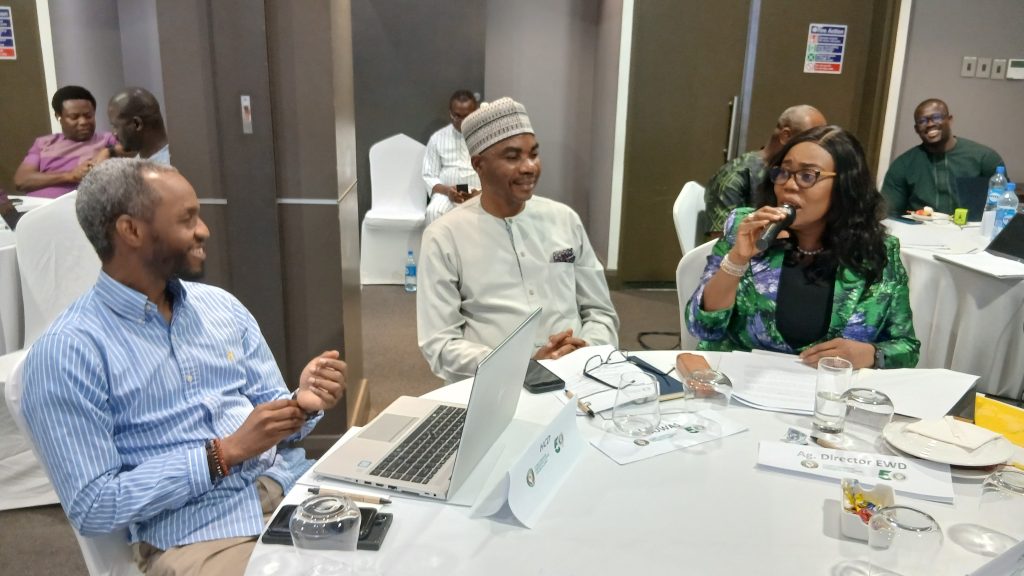
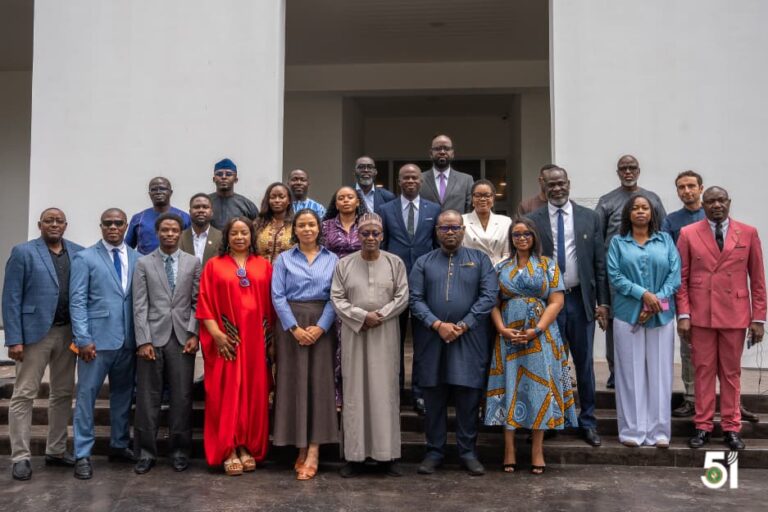
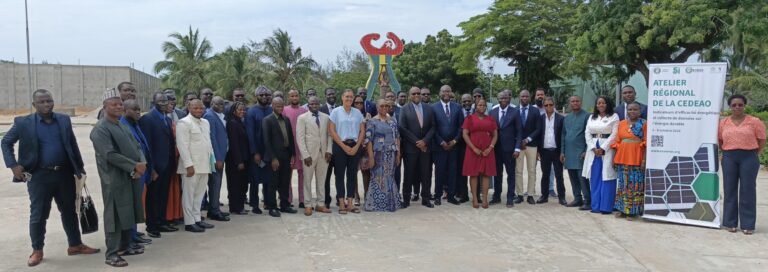
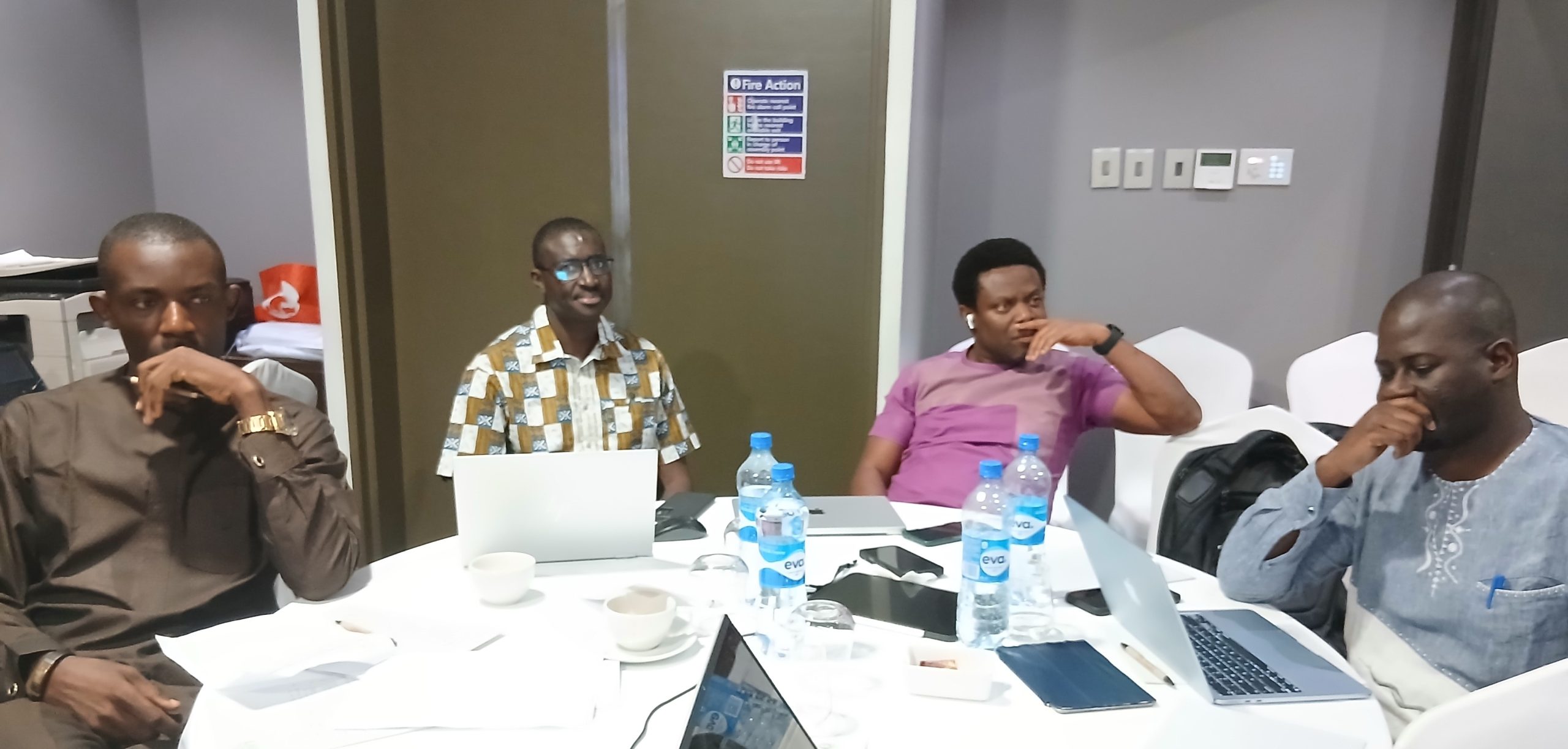
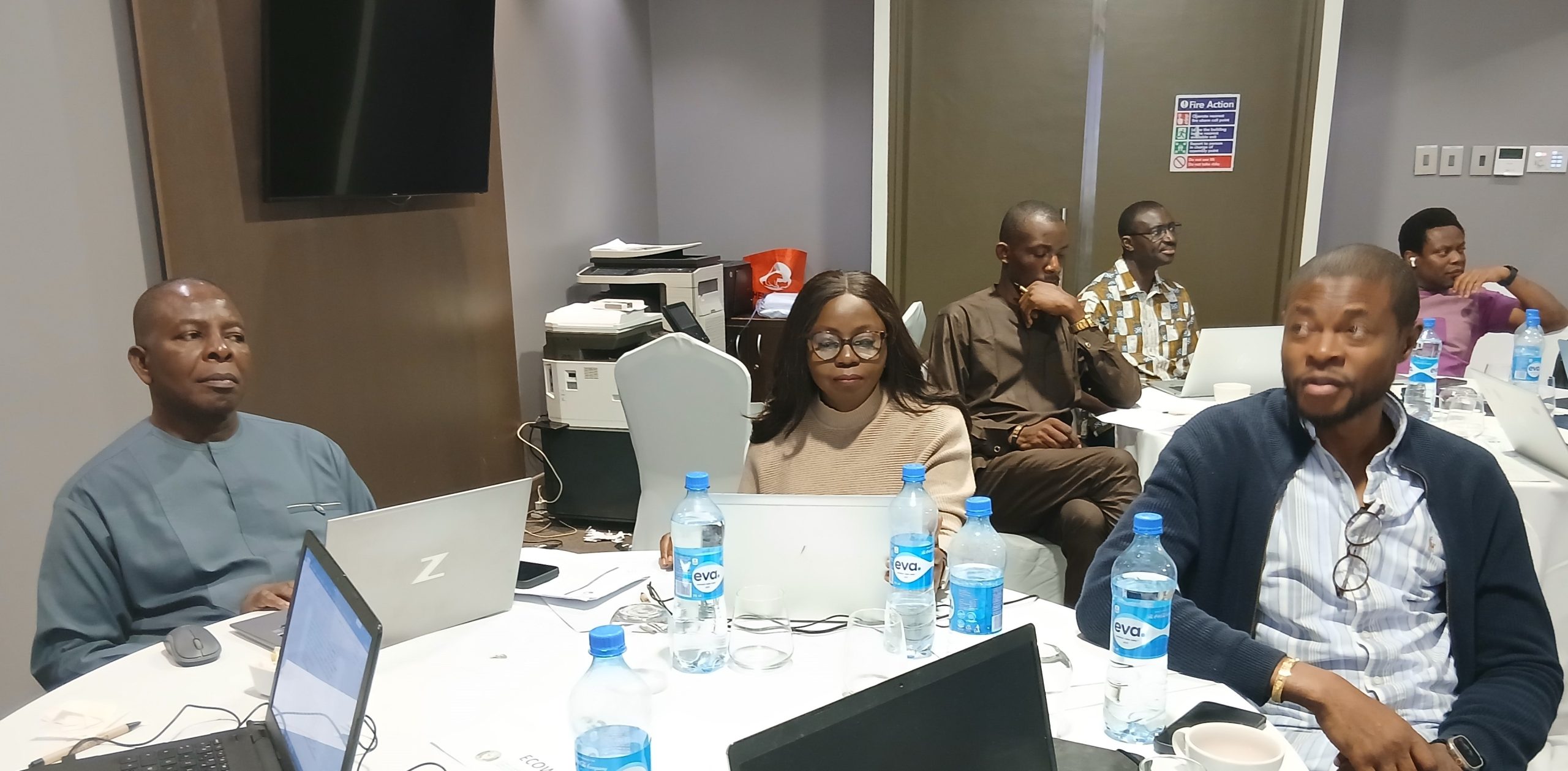
Organised by the Early Warning Directorate of the Economic Community of West African States (ECOWAS) Commission, the technical workshop on integrating the ECOWAS Human Security Index (EHSI) into the ECOWAS Peace and Security Architecture (APSA) concluded on Wednesday, 19 November 2025, in Lagos, Nigeria.
The meeting brought together representatives from ECOWAS institutions and specialised agencies, along with technical and strategic partners such as the United Nations Office for West Africa and the Sahel (UNOWAS), the West Africa Network for Peacebuilding (WANEP), and Afrobarometer, a pan-African research network conducting public opinion surveys across several African countries.
Over the three-day workshop, participants examined the conceptual, methodological and institutional dimensions of the EHSI. They also reflected on how its indicators and risk-measurement approaches can strengthen early warning, guide preventive diplomacy, and support decision-making at the highest political level, particularly within the ECOWAS Mediation and Security Council.
The workshop reaffirmed the importance of human security as a central pillar of ECOWAS Vision 2050, and highlighted the need for tools capable of measuring vulnerability, strengthening resilience, and promoting human-centered governance.
Participants also explored the linkages between the Human Security Index (EHSI) and the ECOWAS Peace and Security Architecture (APSA), including its integration into the ECOWAS Early Warning and Response Network (ECOWARN), political and security reporting, and national and regional prevention mechanisms.
They further validated the practical roadmap outlining the steps required to integrate the EHSI into ECOWAS peace and security mechanisms.
Discussions on institutional roles, data governance and the sustainability of the EHSI underscored that its credibility will depend on clear procedures, harmonised standards, robust data ecosystems, and sustained collaboration.
“The EHSI is far more than a technical tool. It is a strategic instrument for foresight, resilience, and a human-centered approach to security, in line with the aspirations of ECOWAS Vision 2050,” stated the Acting Director of Early Warning at the ECOWAS Commission, Dr. Onyinye Onwuka.
According to her, the next steps include refining the methodology, strengthening collaboration with national statistical institutions, improving data-sharing mechanisms, integrating EHSI components into reporting frameworks, and enhancing institutional coordination.
“Our success will depend on sustaining the momentum generated here in Lagos and ensuring that the EHSI becomes a credible, functional and authoritative tool for understanding human security in West Africa,” Dr. Onyinye Onwuka added.
Speaking on behalf of the Vice-President of the Commission, Mrs. Damtien Larbli Tchintchibidja, she expressed gratitude to the participants for the richness of their discussions and the value of their contributions, which reinforce the foundations of the EHSI and support its integration into the ECOWAS Peace and Security Architecture.
Discover how ECOWAS is transforming communities, economies and the lives of West African citizens — one story at a time.