Initializing...
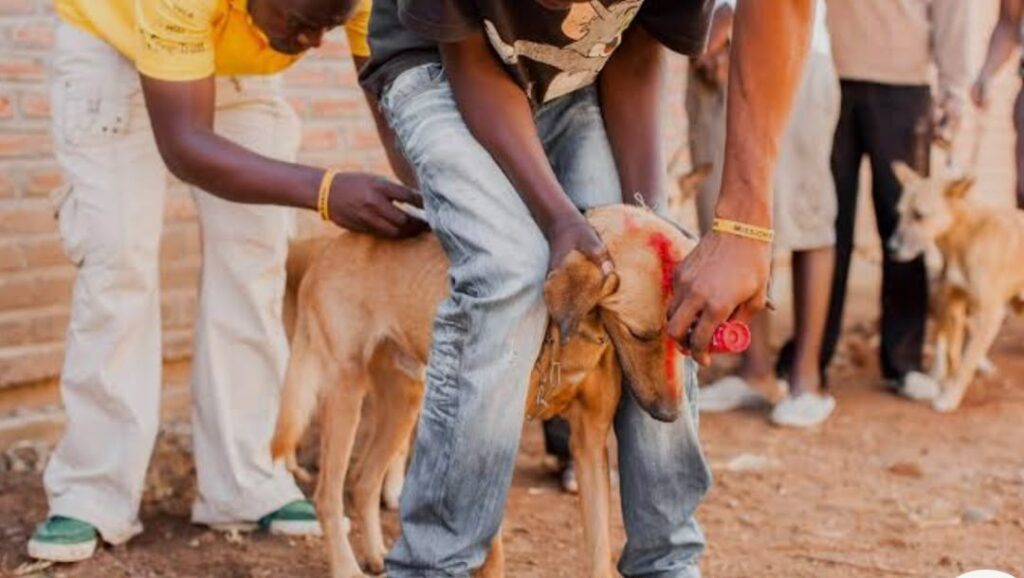
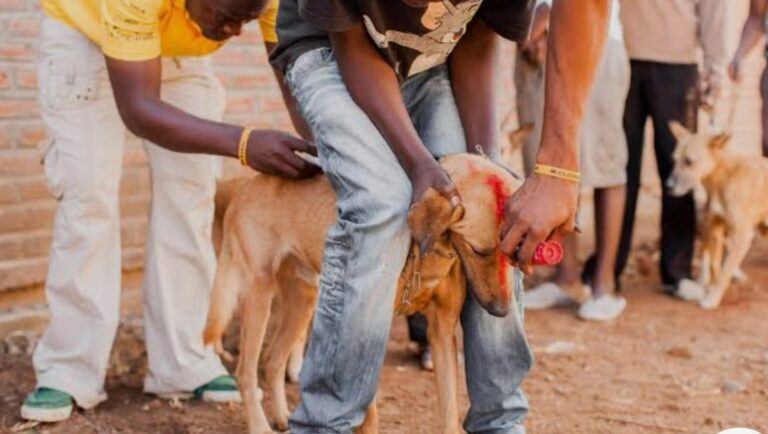
To mark World Rabies Day, the Economic Community of West African States (ECOWAS), through its Regional Animal Health Centre Bissau (RAHC), is calling on Member States, human and animal health services, local authorities, communities and partners to step up their joint efforts to prevent and eliminate human deaths from Rabies.
Celebrated this year under the theme ‘Stronger Together’, this day serves as a reminder that the elimination of rabies is a collective responsibility requiring coordinated action in line with the ‘One Health’ approach.
A deadly but preventable disease
Transmitted mainly through the saliva of infected animals, particularly following dog bites or scratches, rabies is almost always fatal once clinical signs appear.
Globally, rabies causes around 59,000 human deaths each year, nearly 40 per cent of which are children under the age of 15. In Africa, WHO estimates indicate more than 21,000 human deaths annually are attributable to rabies transmitted by dogs.
In the ECOWAS region, the available data remain incomplete, largely due to under-detection and under-reporting; however, during the first quarter of 2026, out of the 786 outbreaks of priority zoonoses reported by Member States, 305 were linked to dog-transmitted rabies, representing 38.8 per cent of all reported outbreaks, confirming that dog-transmitted rabies remains a major public health and animal health threat.
Dog vaccination, surveillance, the management of stray dogs, community awareness and access to post-exposure prophylaxis are the main pillars of prevention.
IN THE EVENT OF A BITE OR SCRATCH: ACT IMMEDIATELY!
Any bite or scratch from a potentially infected animal must be treated as an emergency. Particular attention must be paid to children. Families and schools must be sensitised to avoid unfamiliar or stray dogs and to report any bite or scratch immediately. Urgent measures to be taken:
Working together towards ‘Zero human deaths from canine rabies’
ECOWAS reaffirms its commitment to contributing to the global goal of ‘Zero human deaths from canine rabies by 2030’. It reaffirms the importance of a ‘One Health’ approach to strengthen mobilisation and ensure the availability of the resources needed for the prevention, surveillance and control of rabies.
Discover how ECOWAS is transforming communities, economies and the lives of West African citizens — one story at a time.