Initializing...
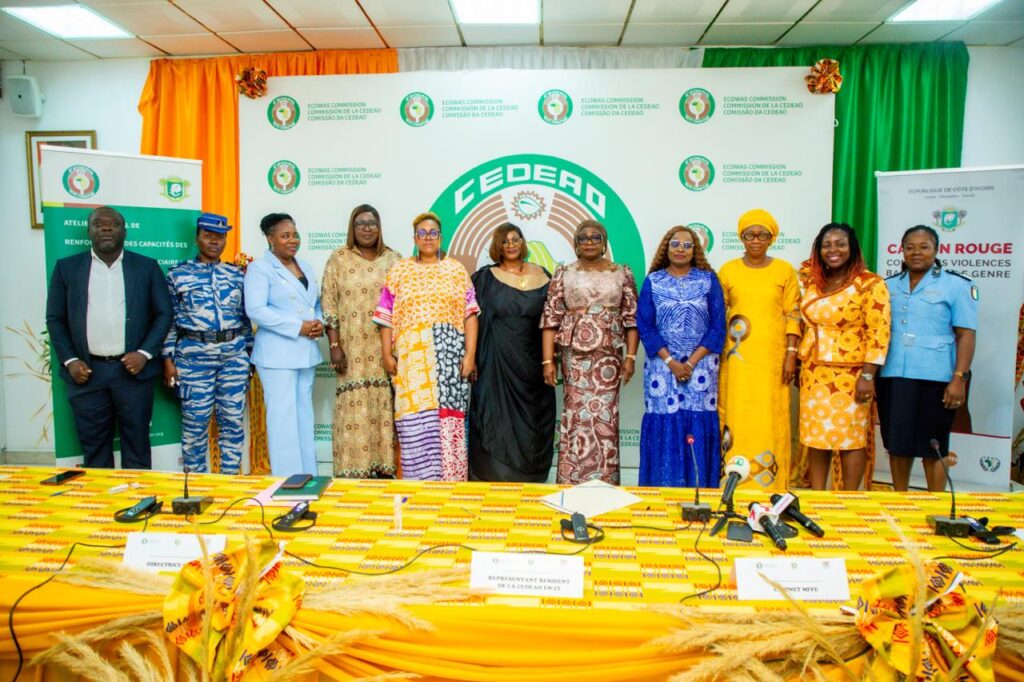
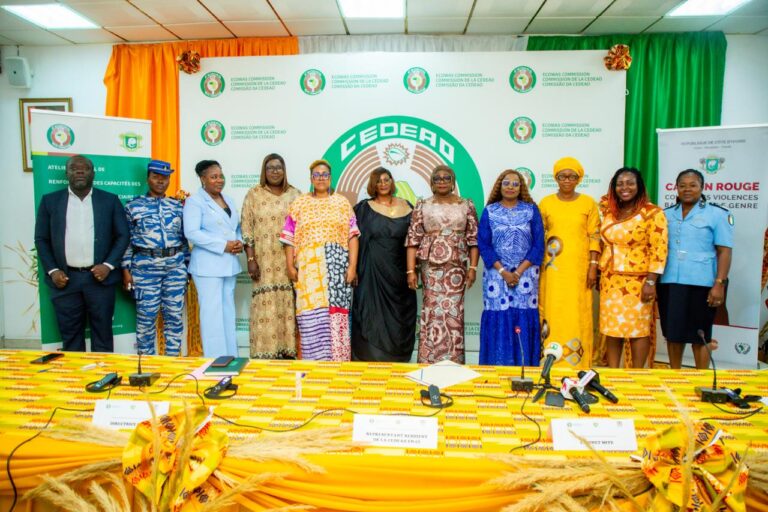
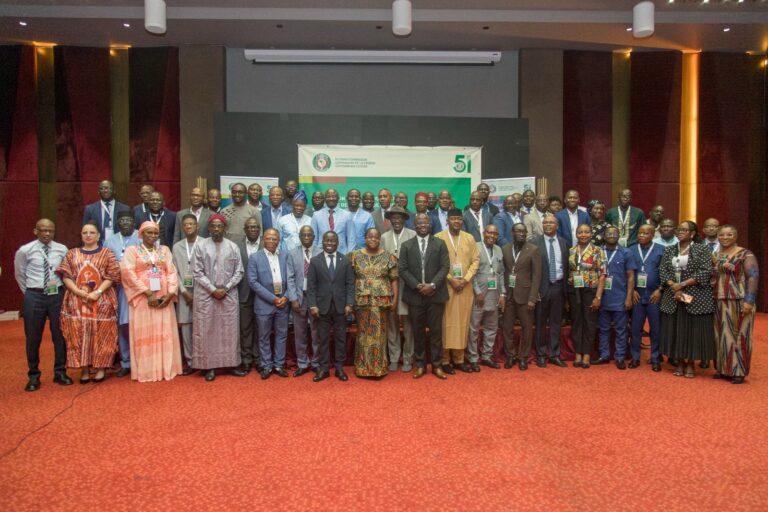
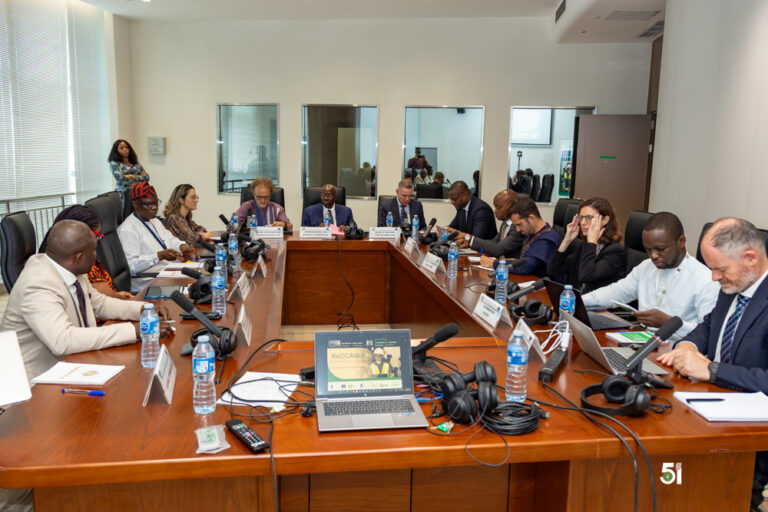
The ECOWAS Center for Gender Development (CCDG), the Ministry of Women, Family, and Children of the Republic of Côte d’Ivoire, and the Akwaba Mousso Association co-organized, on September 16–17, 2026, in Abidjan, Republic of Côte d’Ivoire, a capacity building workshop for Judicial Police Officers (OPJ) from the Police and Gendarmerie, Gender-Based Violence (GBV) focal points in the justice sector, and other frontline actors involved in the prevention and response to GBV. The objective of the workshop was to strengthen their practical skills in order to improve the prevention of GBV, the identification of victims, and the holistic care of survivors in terms of support, referral, and access to appropriate and coordinated care services.
Beyond individual capacity building, this meeting was part of a broader effort to consolidate a multisectoral response to GBV, based on improved collaboration among the security, justice, health, and social protection sectors. This approach is essential to ensuring more effective, coherent, and survivor centered care.
Speaking on behalf of the ECOWAS Resident Representation in Côte d’Ivoire, Ms. Fathmah MAHAN reiterated that combating gender-based violence remains a strategic priority for the regional organization. She emphasized that eliminating such violence is an essential condition for achieving inclusive and sustainable development in West Africa, while calling for continued momentum in collaboration with member states within the ECOWAS framework.
For her part, the President of the Association of Women Lawyers of Côte d’Ivoire (AFJCI), a member of the J4S (Justice for Survivors) project consortium, emphasized the crucial role of frontline actors in ensuring survivors’ effective access to justice. According to her, a robust legal framework is not enough if it is not applied with professionalism, sensitivity, and rigor. She thus reminded participants that they are essential links in the judicial chain and that their actions often determine victims’ opportunities for protection, redress, and justice.
In her remarks, Ms. Sandra OULATÉ FATTOH, Director of the CCDG, emphasized the urgency of a collective effort involving public institutions, judicial actors, defense and security forces, and civil society organizations. She stressed the importance of adopting a zero-tolerance approach to violence against women and girls, while emphasizing that professionals in direct contact with survivors must be able to offer not only an appropriate legal response but also respectful, confidential, and empathetic support.
Officially opening the proceedings, the representative of the Ministry of Women, Family, and Children reiterated that the effectiveness of the fight against GBV depends above all on the quality of interventions by frontline workers and on strengthening coordination among all relevant agencies. Reaffirming the Ivorian authorities’ commitment alongside ECOWAS and its partners, she called for consolidating existing achievements and disseminating them more widely among frontline workers to ensure a professional, coordinated response that respects the dignity of survivors.
The discussions highlighted common priorities, including strengthening referral and guidance mechanisms, improving the reception and support provided to victims, and fostering closer cooperation among the various institutions involved. More broadly, this workshop reaffirmed the shared commitment of ECOWAS, national authorities, and their partners to promote a coordinated, inclusive, and effective response to gender-based violence, while reiterating that the protection of women and girls remains a collective responsibility that requires strong institutions, qualified personnel, and sustainable collaboration among all stakeholders.
Discover how ECOWAS is transforming communities, economies and the lives of West African citizens — one story at a time.