Initializing...
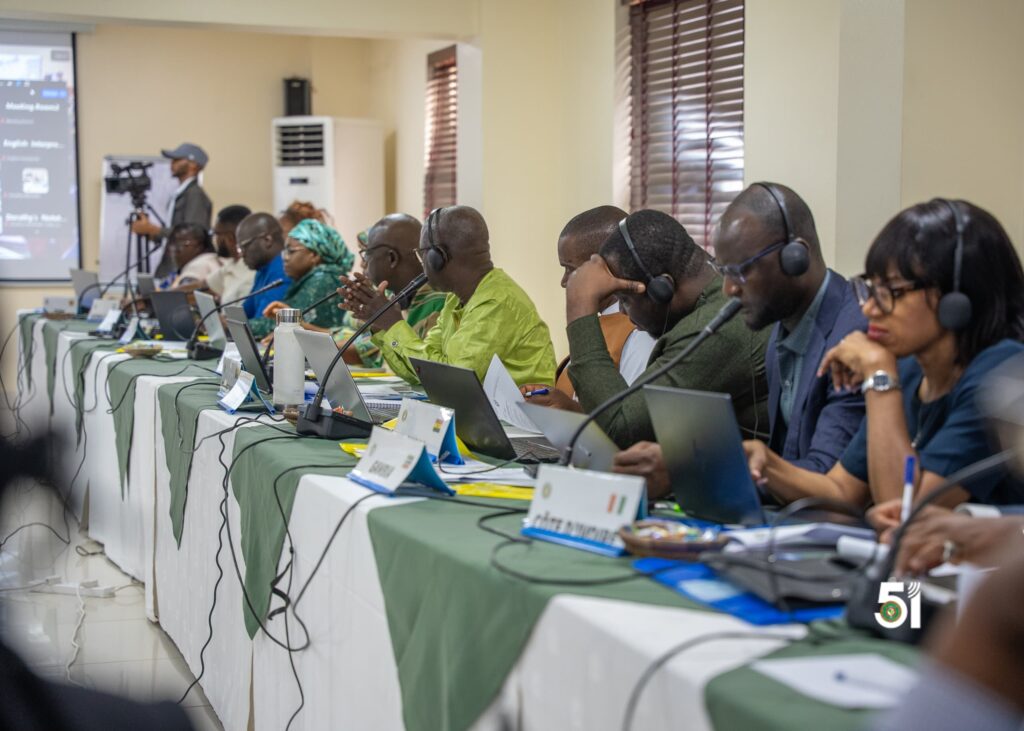
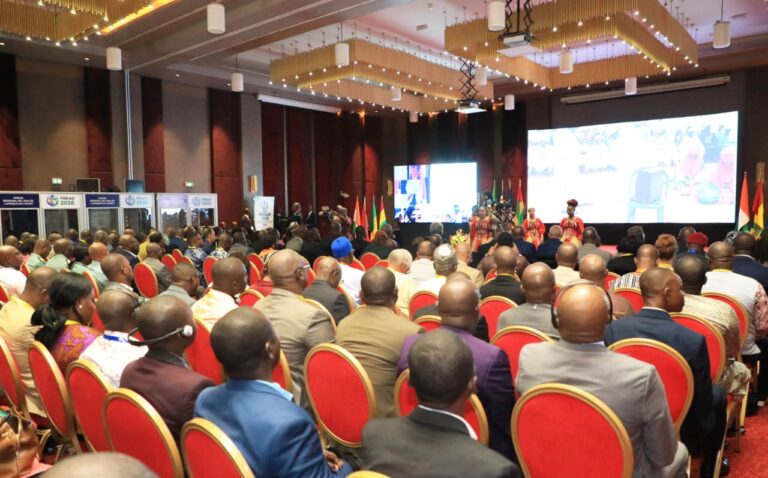
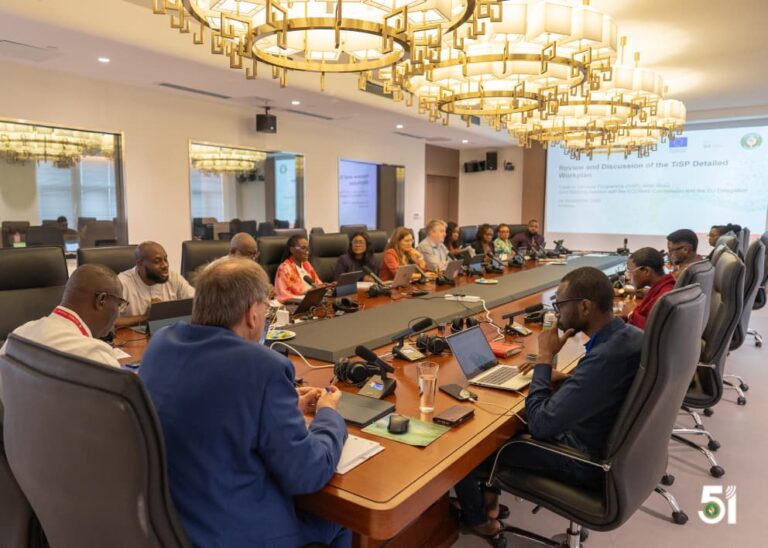
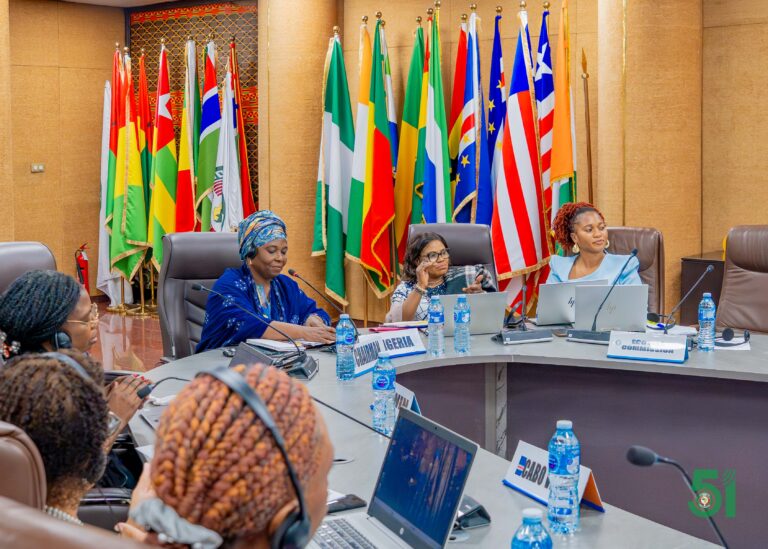
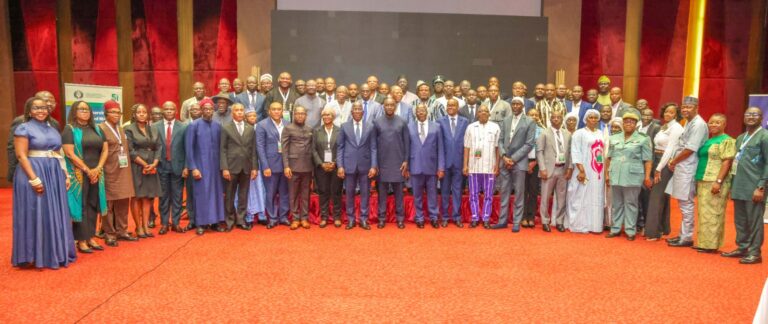
ECOWAS is advancing a shared regional approach to carbon markets, with a three-day validation workshop in Abuja bringing together representatives of Member States, regional and international institutions, development partners and technical experts to finalise a framework for a credible, transparent and inclusive regional carbon market platform. The initiative seeks to strengthen access to climate finance, build national capacities and enable West Africa to better harness its carbon market potential in support of climate action and sustainable development.
Opening the workshop, the ECOWAS Director of Environment and Natural Resources, Mr. Christophe Deguenon, stressed that West Africa’s acute vulnerability to climate change and growing financing requirements make it imperative to mobilise innovative sources of climate finance at scale. He noted that the region’s 2022 Regional Strategy for Access to and Mobilisation of Climate Finance estimated financing needs at US$294 billion, with requirements expected to increase further as Member States strengthen their climate commitments. He identified carbon markets and the implementation of Article 6 of the Paris Agreement as important avenues for addressing this financing gap, particularly given West Africa’s substantial natural capital and potential to generate high-integrity carbon credits.
Mr Deguenon recalled that ECOWAS has, since 2024, been advancing a regional process to establish a harmonised carbon market framework based on transparency, environmental integrity, inclusive governance and recognition of Member States’ climate efforts. He described the validation workshop as a critical milestone towards creating a credible and attractive regional mechanism capable of strengthening investor confidence, pooling expertise, reducing transaction costs, building national capacities and positioning West Africa more effectively in international carbon markets.
Welcoming participants to Abuja, Dr. Iniobong Abiola-Awe, Director of the Department of Climate Change at Nigeria’s Federal Ministry of Environment, described the ECOWAS initiative as timely and strategic, she noted its potential to mobilise climate finance, incentivise emissions reductions, support nature-based solutions, attract investment, strengthen private-sector participation, and create green jobs.
She highlighted Nigeria’s launch of its national carbon market framework and the ongoing development of its carbon market registry, stressing that a regional platform would complement national efforts through peer learning, knowledge-sharing and stronger regional coordination. She reaffirmed Nigeria’s commitment to working with ECOWAS, Member States and development partners to translate the framework into practical action.
Following the opening ceremony, participants proceeded to technical sessions examining the framework’s alignment with the ECOWAS Regional Climate Strategy and Article 6 of the Paris Agreement, alongside an article-by-article review of its proposed provisions. Discussions are addressing the platform’s scope, technical architecture, regional carbon register and transaction mechanisms, with the workshop expected to contribute to the validation of the framework and the development of a regional roadmap for its progressive operationalisation.
The initiative forms part of ECOWAS’ broader efforts to advance climate action and mobilise innovative climate finance in line with the ECOWAS Regional Climate Strategy, ECOWAS Vision 2050 and the African Union’s Agenda 2063. Through the development of a harmonised regional carbon market platform, ECOWAS seeks to strengthen cooperation among Member States, support the progressive operationalisation of carbon-market mechanisms, build institutional and technical capacities, and create a more enabling environment for investment in climate action across West Africa. The validated framework is expected to provide a basis for the platform’s adoption and progressive operationalisation, including through a regional roadmap defining the roles, responsibilities and implementation steps for national and regional actors.
Discover how ECOWAS is transforming communities, economies and the lives of West African citizens — one story at a time.